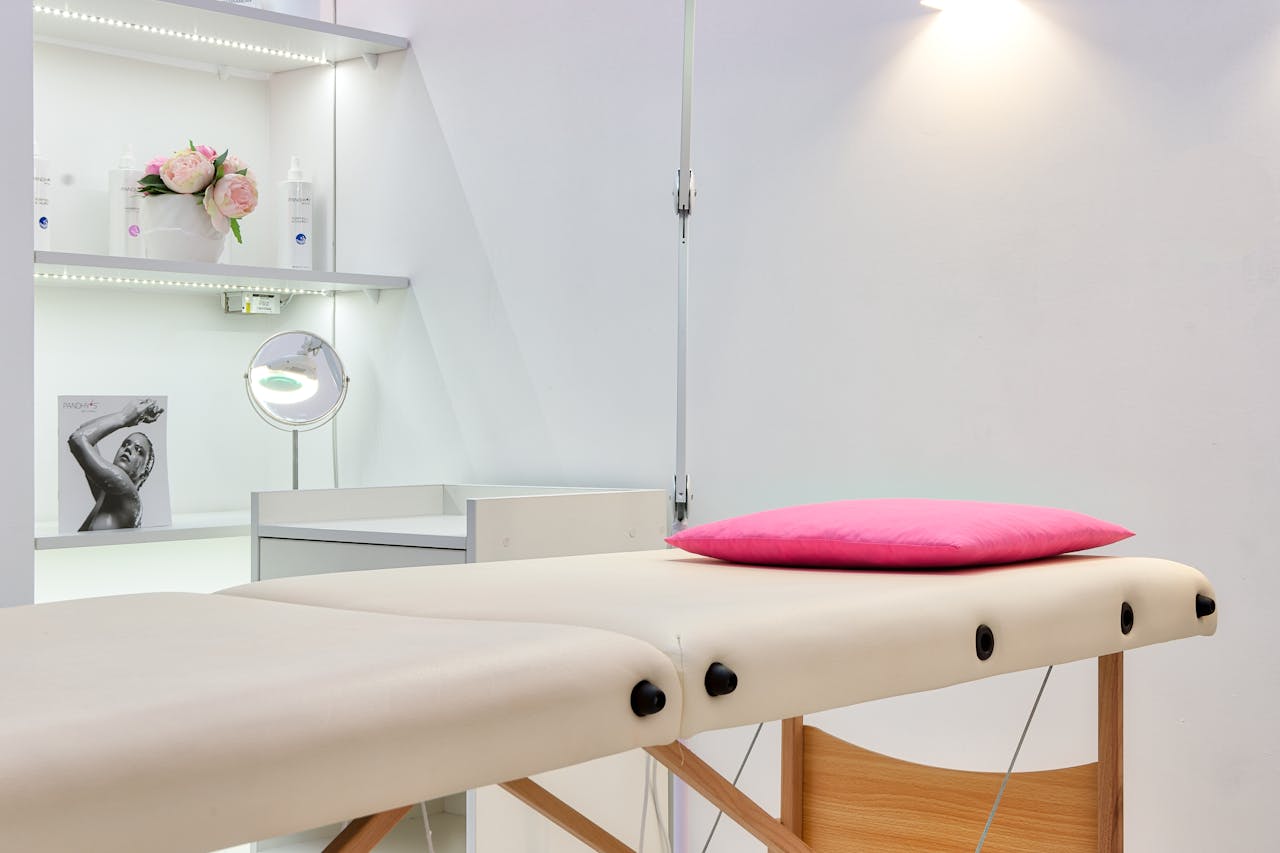
Bulk Anti-Aging Machines | Professional Sourcing: Your Ultimate Guide to Acquiring Advanced Aesthetic Equipment
Introduction: Why Bulk Anti-Aging Machines Are Transforming the Global Skincare Market
The anti-aging aesthetics industry has undergone a dramatic transformation in recent years, driven by unprecedented consumer demand for professional-grade skin rejuvenation technologies that deliver visible, measurable results. Bulk anti-aging machines have emerged as the cornerstone of this revolution, enabling aesthetic clinics, medical spas, dermatology practices, and wellness centers to offer treatments that were once exclusively available through invasive surgical procedures. As the global population continues to age while simultaneously embracing proactive approaches to skin health and appearance, the market for sophisticated anti-aging equipment has expanded from a niche professional segment into a mainstream commercial opportunity worth billions of dollars annually.

Professional sourcing of anti-aging machines requires far more than simply identifying suppliers and comparing prices. The complexity of these technologies—spanning radiofrequency, intense pulsed light, laser, ultrasound, microcurrent, and an expanding array of combination modalities—demands deep technical understanding, careful vendor evaluation, and strategic long-term planning. Clinics and distributors that approach equipment procurement with thorough preparation consistently achieve better outcomes: higher treatment efficacy, improved patient satisfaction, reduced operational headaches, and stronger return on investment. Those that rush the process or prioritize cost savings over quality and support infrastructure frequently find themselves burdened with unreliable equipment, frustrated practitioners, and dissatisfied clients.
This comprehensive guide to professional sourcing of bulk anti-aging machines covers every critical dimension of the acquisition process, from understanding the technological landscape and evaluating equipment specifications to negotiating with manufacturers, managing installation and training, and building sustainable service partnerships. Whether you are a single-clinic operator seeking your first advanced anti-aging platform or a multi-location chain planning a significant equipment expansion, the principles and strategies outlined here will equip you to make informed decisions that drive both clinical excellence and business success.
Understanding the Anti-Aging Machine Landscape: Technologies and Applications
Radiofrequency (RF) Anti-Aging Systems
Radiofrequency technology has become perhaps the most ubiquitous anti-aging modality in professional aesthetic practice, offering non-invasive skin tightening and contouring across virtually all skin types and treatment areas. RF systems work by delivering controlled electrical energy at radio frequencies (typically 0.5 to 10 MHz) through electrodes applied to the skin’s surface. This energy passes through the epidermis and dermis, generating volumetric heating in the subcutaneous tissue layers where collagen fibers reside.
The thermal effect of RF energy causes immediate collagen fiber contraction—a phenomenon often described as “tightening”—while simultaneously triggering the wound healing cascade that stimulates new collagen and elastin production over subsequent months. The result is progressive, natural-looking improvement in skin firmness, texture, and overall facial contour. Modern RF systems incorporate sophisticated real-time temperature monitoring, impedance monitoring, and automated energy delivery adjustments that enable practitioners to maintain optimal therapeutic temperatures throughout treatment while minimizing discomfort and the risk of thermal injury.
When sourcing bulk anti-aging machines of the RF variety, several key specifications demand careful evaluation. The RF frequency affects penetration depth and tissue heating characteristics: lower frequencies (around 0.5-1 MHz) penetrate more deeply and are preferred for body contouring applications, while higher frequencies (4-10 MHz) provide more superficial heating ideal for delicate facial treatments. The delivery mechanism—whether monopolor, bipolar, multipolar, or fractional—determines the intensity, depth, and uniformity of energy distribution. Monopolar RF delivers energy from a single electrode to a grounding pad, creating deep, widespread heating. Bipolar and multipolar configurations confine energy between adjacent electrodes, providing more controlled, superficial treatment. Fractional RF creates microthermal zones that stimulate intense remodeling with preserved epidermal integrity and minimal downtime.
Bulk purchasing of RF equipment offers significant advantages beyond simple unit cost reduction. Multi-unit orders enable standardized treatment protocols across all locations, simplified staff training programs, consolidated maintenance agreements, and coordinated technology upgrades. Many manufacturers offer enhanced warranty packages, priority service response, and exclusive software features for bulk purchasers.
Intense Pulsed Light (IPL) and Laser Systems
Intense Pulsed Light and laser technologies round out the core portfolio of professional anti-aging machines, addressing pigmentation irregularities, vascular lesions, textural imperfections, and hair removal—conditions that often accompany the visible signs of aging. IPL systems differ from lasers in that they emit broad-spectrum light (400-1200nm) that can be filtered to target specific chromophores (melanin, hemoglobin, water), while lasers emit single-wavelength coherent light that offers more precise targeting but is limited to specific treatment applications.
For anti-aging purposes, IPL systems excel at photorejuvenation treatments that address sun damage, age spots, freckles, broken capillaries, and overall skin tone irregularity. The broad-spectrum nature of IPL enables treatment of multiple concerns in a single session, making it highly efficient for busy clinical practices. Nd:YAG lasers (1064nm) provide deep penetration for treating deeper vascular lesions and stimulating collagen remodeling without surface pigmentary effects. Fractional laser systems—including fractional CO2 (10,600nm) and fractional erbium (2940nm)—create controlled microthermal injury zones that stimulate dramatic skin resurfacing and rejuvenation with controlled healing periods.
When evaluating professional sourcing options for IPL and laser anti-aging machines, the critical specifications include: peak power output and energy density (which determine treatment efficacy), pulse duration range (which affects safety and versatility), spot size options (which influence treatment speed), wavelength filtering precision, cooling system effectiveness, and the availability of applicator configurations for different treatment areas. Clinical validation—backed by peer-reviewed studies and real-world clinical results—should be a prerequisite for any serious equipment consideration.
Ultrasound and Combination Technologies
High-intensity focused ultrasound (HIFU) has revolutionized non-invasive anti-aging by enabling targeted destruction of the superficial musculoaponeurotic system (SMAS)—the tissue layer that plastic surgeons tighten during surgical facelifts—without any incision or injection. HIFU systems deliver focused ultrasound energy to precise depths beneath the skin’s surface, creating thermal coagulation points at temperatures exceeding 60°C while leaving the overlying tissue completely unaffected. The body’s natural healing response then gradually lifts and tightens the treated tissue over 2-3 months following treatment.
Combination anti-aging platforms that integrate multiple technologies in a single device represent a growing trend in the market, offering practitioners the ability to address multiple aging concerns in comprehensive treatment protocols. These multi-modality systems may combine RF with microcurrent, IPL with Nd:YAG laser, ultrasound with vacuum therapy, or other permutations that create synergistic treatment effects. From a sourcing perspective, combination platforms offer compelling value by enabling diverse treatment menus from a single equipment investment, though they require more extensive training and typically carry higher initial costs and service requirements.
The Economics of Bulk Anti-Aging Machine Procurement
Calculating Return on Investment for Anti-Aging Equipment
Before committing to bulk anti-aging machines procurement, a rigorous return on investment (ROI) analysis is essential to ensure that equipment acquisition aligns with business objectives and financial constraints. The true cost of anti-aging equipment extends far beyond the initial purchase price, encompassing consumables, maintenance, training, marketing, space requirements, and the opportunity cost of capital deployment.
A comprehensive ROI model for anti-aging equipment should incorporate the following revenue and cost variables:
Revenue projections should be based on realistic market research rather than optimistic assumptions. Estimate the addressable patient/client population in your service area, the percentage likely to be interested in anti-aging treatments, your expected market share capture, and the realistic treatment frequency for each procedure type. Consider seasonal variations in demand, the typical number of treatment sessions required per patient (multi-session protocols are common in anti-aging), and the revenue generated from both initial treatments and ongoing maintenance sessions.
Cost components for anti-aging equipment include: equipment financing or depreciation (if purchased) or lease payments; consumable costs per treatment (coupling gels, treatment tips, disposable components); maintenance contracts and repair costs (typically 8-15% of equipment value annually for sophisticated systems); staff time for treatments (calculate fully-loaded labor cost including benefits and taxes); marketing costs to attract and retain clients; space and utilities allocation; and insurance costs.
ROI calculation example: Consider a mid-range RF skin tightening system priced at $45,000, with expected treatment revenue of $350 per session, an average of 5 sessions per patient, and 8 new patients per month. Monthly revenue potential: 8 patients × 5 sessions × $350 = $14,000. Annual revenue potential: $168,000. Annual costs (estimated): consumables ($4,800), maintenance contract ($4,500), additional labor ($18,000), marketing ($6,000), space/utilities allocation ($3,600). Total annual costs: approximately $36,900. Net annual contribution: $131,100, representing a payback period of approximately 4 months and an annualized ROI exceeding 290%.
When sourcing bulk anti-aging machines, this same analytical rigor should be applied to each equipment option, enabling direct comparison of true value rather than simple price comparison.
Volume Discount Structures and Negotiation Strategies
Manufacturers and distributors of anti-aging equipment typically offer tiered pricing structures that reward volume commitment with progressively deeper discounts. Understanding these structures—and knowing how to negotiate effectively within them—can yield significant savings on bulk purchases.
Standard volume discount tiers in the anti-aging equipment industry often follow patterns such as: single unit at list price, 2-4 units at 10-15% discount, 5-9 units at 15-20% discount, and 10+ units at 20-30% discount. These tiers are rarely rigidly fixed and should be viewed as starting points for negotiation. The actual discount achieved depends on multiple factors including: the total order value, payment terms (cash upfront or financing), commitment to service agreements, marketing support commitments, the strategic importance of the account to the manufacturer/distributor, competitive dynamics in your market, and the overall economic climate affecting equipment sales.
Professional sourcing best practices for negotiation include: never accepting the first quote as final; requesting proposals from multiple competing suppliers to establish market reference pricing; demonstrating genuine purchasing commitment (committed purchase orders are far more effective negotiating tools than speculative inquiries); bundling multiple equipment types to increase total order value and negotiating leverage; offering to provide case studies, testimonials, or references in exchange for enhanced pricing; and exploring alternative compensation structures such as extended warranties, complimentary training, marketing materials, or service credits that may have higher value to you than an equivalent price reduction has to the supplier.
Step-by-Step Guide to Professional Anti-Aging Machine Sourcing
Step 1: Conduct Comprehensive Needs Assessment
The foundation of effective bulk anti-aging machine sourcing is a thorough needs assessment that examines your practice’s clinical requirements, business objectives, patient demographics, competitive landscape, and operational constraints. Begin by cataloging the anti-aging concerns most frequently presented by your patient base: skin laxity and facial contouring, pigmentary irregularities, vascular lesions, textural refinement, or comprehensive rejuvenation requiring multiple modalities. This patient-centered analysis will drive technology selection rather than technology driving patient care.
Evaluate your current equipment inventory and identify gaps in your treatment capabilities. Understanding what you already own—and which existing equipment might become redundant or complementary to new acquisitions—is essential for avoiding unnecessary duplication and ensuring that new purchases fill genuine capability gaps. Consider the age and condition of existing equipment: older systems may be candidates for replacement, particularly if they are approaching the end of their productive lifespan, require increasingly costly repairs, or lack features available on newer platforms.
Define your service expansion objectives with precision. Are you seeking to add anti-aging services for the first time, expand an existing anti-aging menu, differentiate your offerings from competitors, target new patient demographics, or position your practice for premium pricing? Each objective has different implications for technology selection. A practice seeking to establish itself as a comprehensive anti-aging destination will require different equipment configurations than one adding a single treatment modality to complement existing services.
Budget planning for bulk purchases should encompass both capital expenditure and operating cost projections. Determine whether you will purchase equipment outright, finance through equipment loans or leases, or utilize operating lease arrangements. Each financing approach has distinct tax implications, balance sheet impacts, and cash flow implications that should be evaluated with your financial advisors.
Step 2: Research and Shortlist Potential Suppliers
With clear requirements established, the next step involves identifying and evaluating potential suppliers of bulk anti-aging machines. The supplier landscape includes direct manufacturers (primarily based in the United States, Europe, Israel, South Korea, and China), authorized distributors (which may be regional or national), and independent importers. Each model carries distinct advantages and disadvantages.
Direct manufacturer relationships offer the best potential pricing, direct access to technical support and engineering resources, and the ability to influence product development priorities. However, they typically require larger order volumes to be attractive, may lack local service infrastructure in your region, and may present communication and logistics challenges across international boundaries. Manufacturer representatives can provide deep technical knowledge and often have flexibility to create customized packages for strategic accounts.
Authorized distributors provide local presence, established service networks, faster response times for support and repairs, and the ability to offer bundled financing and comprehensive service packages. However, they typically apply margin on top of manufacturer pricing, which can be offset by the value of local service and support but should be factored into cost comparisons.
Independent importers and regional distributors may offer competitive pricing and personalized service, particularly for businesses that have established relationships with specific representatives. However, the breadth of their product offerings, financial stability, and long-term viability as service partners should be carefully vetted before committing to significant purchases.
Online research, industry trade publications, peer recommendations, and attendance at professional conferences and trade shows (such as the American Society for Aesthetic Plastic Surgery [ASAPS] Annual Meeting, the American Academy of Dermatology [AAD] Annual Meeting, and regional aesthetic industry events) all provide valuable intelligence for building a comprehensive shortlist of potential suppliers.
Step 3: Evaluate Equipment Through Clinical Trials and Due Diligence
Equipment evaluation for bulk anti-aging machines must go beyond specification sheets and marketing materials to include actual clinical performance assessment, operational evaluation, and comprehensive due diligence on the supplier. Request demonstration units or arrange visits to reference sites where the equipment has been in clinical use for sufficient time to assess long-term performance and reliability.
Clinical evaluation should involve treating actual patients (with appropriate informed consent) to assess: treatment efficacy (are the outcomes consistent with published clinical data?), treatment comfort (is the procedure tolerable for patients without significant anesthesia?), treatment speed (how many treatment areas can be addressed per hour?), practitioner ease of use (is the interface intuitive and the procedure easy to replicate consistently?), and patient satisfaction (do patients report meaningful improvement and willingness to return?). Invite multiple practitioners from your staff to participate in evaluations, as different users may have different assessments of usability.
Technical due diligence on equipment should examine: build quality and component sourcing (are premium components used throughout, or are cost-reducing substitutions evident?); software stability and update history (is the platform mature and well-supported, or is it being actively developed with frequent changes?); service history and reliability data (has the equipment demonstrated acceptable uptime in real-world clinical settings?); and compatibility with existing infrastructure (will the equipment integrate with your practice management software, EMR systems, and facility electrical systems?).
Supplier due diligence should assess: financial stability (can you verify the company’s long-term viability and ability to support warranty and service commitments?); service infrastructure (does the supplier have trained technicians, spare parts inventory, and service response protocols in your region?); regulatory compliance track record (has the supplier maintained all required certifications and registrations?); and references from existing customers (can you speak directly with practitioners who have used the equipment and the supplier’s services for at least two years?).
Step 4: Negotiate and Execute Purchase Agreements
With evaluation complete and preferred suppliers identified, the negotiation phase represents the final opportunity to optimize the commercial terms of your bulk anti-aging machine purchase before making a binding commitment. The purchase agreement is a critical legal document that should be reviewed carefully—and revised where necessary—by qualified legal counsel familiar with medical/aesthetic equipment transactions.
Key commercial terms requiring negotiation and documentation include: final unit pricing (which should reflect your volume, payment terms, and overall strategic value of the account); payment structure (upfront deposit, milestone payments, final payment upon delivery and acceptance); delivery timelines (with specific dates, penalties for delays, and provisions for expedited shipping if needed); installation and commissioning requirements (who is responsible for what, what is included in standard installation, and what constitutes billable additional services?); training and certification programs (scope, duration, location, and ongoing education provisions); warranty terms (duration, coverage scope, response time commitments, and escalation procedures); service contract terms (cost, included services, response times, preventive maintenance schedules); and provisions for software updates and hardware upgrades (are future improvements included at no additional cost, or available at preferential pricing?).
Consider negotiating performance guarantees or satisfaction clauses, particularly for equipment that has not been used extensively in your specific clinical context. Some suppliers may offer a trial or evaluation period during which the equipment can be returned if it does not meet agreed performance criteria, providing valuable protection against disappointing clinical results.
Regulatory Compliance for Anti-Aging Equipment
FDA, CE, and International Regulatory Framework
Anti-aging aesthetic devices occupy a complex regulatory position in most major markets, requiring careful navigation of classification, registration, and compliance requirements. In the United States, the FDA regulates aesthetic devices under its medical device authority, with classification depending on the device’s intended use and risk profile. Devices intended for general skin rejuvenation that do not make specific medical claims may qualify for general wellness exemptions, while devices that treat specific conditions (acne, vascular lesions, hair removal) or are intended for use by licensed practitioners may require 510(k) premarket notification or PMA approval.
Professional sourcing of anti-aging equipment must include explicit verification that devices carry appropriate FDA clearances or approvals for their intended uses. Request FDA 510(k) summaries or approval letters from suppliers, and verify the information against the FDA’s publicly accessible database (FDA 510(k) Premarket Notification database). Be particularly cautious of devices marketed with claims that exceed their actual clearance scope, as using or promoting misbranded devices can create legal liability for the purchasing practitioner.
The European Union requires CE marking under the Medical Device Regulation (MDR 2017/745) for most aesthetic devices, with conformity assessment by a Notified Body. The transition from the previous Medical Device Directive (MDD) to MDR has significantly increased documentation requirements and post-market surveillance obligations, and some older devices that were CE-marked under MDD may require re-certification under MDR.
Other key markets maintain their own regulatory frameworks: Canada’s Health Canada requires medical device license application for Class II-IV aesthetic devices; Australia’s TGA requires ARTG registration; China’s NMPA has its own registration requirements. For businesses sourcing bulk anti-aging machines for multi-market distribution, regulatory strategy must be developed early in the procurement process, as different regulatory frameworks may influence which specific device models and configurations are available.
Documentation and Compliance Verification Checklist
A comprehensive compliance verification checklist for anti-aging machine procurement should include: FDA 510(k) number and clearance letter (or PMA approval number and letter); CE marking certificate and Notified Body number; ISO 13485 quality management system certificate for the manufacturer; electrical safety test reports (IEC 60601 series); EMC test reports (IEC 60601-1-2); device-specific performance test reports; electromagnetic field (EMF) exposure compliance documentation; software validation documentation (for devices with programmable treatment parameters); labeling compliance review; andInstructions for Use (IFU) in your required language(s).
Case Studies: Strategic Anti-Aging Machine Procurement Outcomes
Case Study 1: Regional Spa Chain’s Equipment Standardization Initiative
A 12-location day spa chain in the southeastern United States faced significant operational challenges from its fragmented equipment inventory, which included 8 different RF system brands acquired piecemeal over several years. Each system had different operating protocols, consumable requirements, service contracts, and training demands, creating substantial overhead in staff education, inventory management, and maintenance coordination. Treatment outcomes were inconsistent across locations, leading to variable customer satisfaction and difficulty marketing standardized treatment packages.
The chain’s leadership undertook a comprehensive equipment rationalization initiative that involved disposing of redundant systems, standardizing on a single multi-modality RF platform from a manufacturer with national service coverage, and negotiating a volume purchase agreement for bulk anti-aging machines that included standardized training programs, centralized service contracts, and coordinated technology upgrades. The initial investment was substantial—approximately $380,000 for the complete equipment refresh—but the operational efficiencies gained were transformative. Staff training time decreased by 60%, consumable inventory complexity was eliminated, service costs dropped by 35%, and—most importantly—treatment consistency improved dramatically. Customer satisfaction scores for anti-aging treatments increased by 28% within six months, and the chain was able to launch a unified “Age-Defying Essentials” treatment package that became its highest-margin service offering.
Case Study 2: Solo Practitioner’s Strategic Equipment Investment
A solo aesthetic practitioner in a mid-sized metropolitan market was considering a significant investment in HIFU technology—an anti-aging modality with proven clinical efficacy but substantial equipment cost. Rather than purchasing a new system, the practitioner entered a revenue-sharing arrangement with a HIFU equipment supplier, paying a monthly fee that included equipment use, all consumables, preventive maintenance, and priority access to software upgrades.
This model allowed the practitioner to offer a high-demand treatment (HIFU facelifts command $1,500-$3,500 per treatment in most markets) without the capital outlay, equipment financing obligations, or service risks associated with ownership. The revenue-sharing arrangement provided predictable monthly costs that could be easily factored into practice economics, while the supplier’s service guarantees ensured consistently high equipment uptime. After two years of operation under this model, the practitioner had generated gross revenue exceeding $280,000 from HIFU treatments while paying approximately $72,000 in total fees, representing a contribution margin exceeding $200,000—significantly better than would have been achieved through equipment ownership given financing costs, service expenses, and depreciation.
Comparative Analysis: New Purchase vs. Refurbished vs. Lease Models
Total Cost Comparison Across Procurement Models
When acquiring bulk anti-aging machines, businesses have several procurement models to consider, each with distinct financial and operational implications.
| Factor | New Purchase | Certified Refurbished | Operating Lease |
|---|---|---|---|
| Upfront Cost | 100% of list price | 40-65% of list price | First month’s payment |
| Total 5-Year Cost | ~110-130% (depreciation + maintenance) | ~70-90% | 160-200% (total lease payments) |
| Warranty Coverage | Full manufacturer’s warranty (1-2 years) | Limited warranty (6-12 months) | Included in lease payments |
| Equipment Age | Latest technology | 1-4 years old | Latest technology |
| Tax Treatment | Depreciation deduction | Depreciation deduction | Deductible operating expense |
| Ownership at End | Yes (fully depreciated) | Yes (as-is) | No (returned or purchased at FMV) |
| Capital Allocation | Significant capital tied up | Moderate capital required | Operating expense |
| Technology Risk | High (owns outdated equipment risk) | Moderate | Low (can upgrade at lease end) |
Certified refurbished equipment from reputable sources can offer compelling value, particularly for practitioners entering the anti-aging market for the first time or adding modalities to existing menus. The savings on purchase price—often 40-60% compared to new equipment—can fund marketing, training, and working capital. However, refurbished equipment carries inherent risks that must be carefully managed: verify the refurbishment process includes complete system rebuild, component replacement, software updates, safety testing, and comprehensive quality inspection; confirm warranty coverage is meaningful; and assess the supplier’s long-term viability to ensure ongoing support.
Operating leases are particularly attractive for practices that value flexibility and want to maintain access to the latest technology without long-term capital commitment. The tax deductibility of lease payments as operating expenses (versus depreciation for owned equipment) can provide meaningful tax advantages. However, the total cost over a multi-year lease period typically exceeds the cost of ownership, making leases most attractive for practices with uncertain long-term equipment needs or strong preferences for ongoing technology access.
Frequently Asked Questions (FAQ)
Q1: What is the typical lifespan of professional anti-aging machines, and how does this affect bulk purchasing strategy?
A: Professional anti-aging machines typically have a productive lifespan of 5-10 years, depending on build quality, usage intensity, maintenance adherence, and the pace of technological advancement in the specific modality. When developing a bulk anti-aging machines purchasing strategy, consider the expected lifespan in the context of your business planning horizon. Equipment that will become technologically obsolete within 5 years may be better acquired through lease or financing arrangements that allow for periodic technology refresh, while equipment in a mature, stable technology category (such as RF systems) may justify longer-term ownership.
Q2: How many treatment sessions are typically required to achieve visible anti-aging results, and how does this affect pricing strategy?
A: Treatment protocols vary significantly by modality and individual patient factors. RF skin tightening typically requires 4-6 initial sessions spaced 2-4 weeks apart, with maintenance sessions every 3-6 months thereafter. HIFU treatments often produce visible results from a single session, with optimal results developing over 2-3 months, though some patients benefit from a second session at 6-12 months. IPL photorejuvenation commonly involves 3-5 initial sessions with annual maintenance. Understanding these protocols is essential for accurate revenue projections and patient communication. Most practices price treatment packages (series pricing) rather than individual sessions, offering modest discounts for multi-session commitments while ensuring patient follow-through and improving collection rates.
Q3: What training is typically required for practitioners to operate anti-aging equipment effectively?
A: Training requirements vary by device complexity and regulatory requirements. Basic RF and microcurrent devices may require only 4-8 hours of initial training for experienced practitioners, while complex multi-modality platforms or HIFU systems may require 16-40 hours of comprehensive training covering physics, treatment protocols, patient selection, contraindications, complication management, and marketing. Ensure that training is included in your procurement agreement and that ongoing education and certification maintenance are available as technology evolves. Reputable suppliers should provide multiple training modalities: on-site training during installation, online training modules for ongoing education, and access to clinical training centers or expert trainers for advanced technique development.
Q4: How do I handle patient safety concerns and liability risks associated with anti-aging equipment?
A: Patient safety must be the paramount consideration in any anti-aging treatment program. Ensure that all equipment is properly FDA cleared or CE marked for its intended use, that practitioners are appropriately trained and certified, that comprehensive patient screening protocols are in place to identify contraindications (pacemakers, metal implants, pregnancy, certain medical conditions, photosensitizing medications, etc.), that informed consent processes are thorough and documented, and that emergency protocols exist for managing adverse events. Malpractice insurance coverage should be reviewed with your carrier to confirm adequate protection for the specific treatments offered. Document all treatments meticulously in patient records, including device settings, treatment areas, patient response, and any complications or concerns.
Q5: What consumables are required for anti-aging treatments, and how do these affect ongoing operating costs?
A: Consumable requirements vary by device type and treatment protocol. Common consumables include: coupling gels for RF and ultrasound treatments (low cost per treatment but required for every session); IPL and laser filters, cartridges, or flash lamps (significant per-treatment or per-session cost, with replacement intervals ranging from hundreds to tens of thousands of pulses depending on the system); HIFU treatment cartridges (specific to each treatment depth, with typical replacement after 8-12 full-face treatments); microcurrent electrode pads and conductors; and disposable treatment accessories. Calculate per-treatment consumable costs precisely and ensure they are factored into your pricing strategy. Some devices are designed with disposable components that create ongoing revenue streams for the manufacturer—this is a legitimate business model, but be aware of the total cost of ownership when comparing equipment options.
Q6: How do I differentiate my anti-aging services in a competitive market where multiple providers offer similar treatments?
A: Differentiation in the anti-aging market requires a multi-dimensional strategy combining technology selection (offering treatments not available from competitors), protocol customization (developing proprietary treatment combinations or sequences that produce superior outcomes), experience enhancement (creating a distinctive patient journey from consultation through post-treatment care), outcome documentation (utilizing imaging systems, skin analysis tools, and measurement protocols to demonstrate objective treatment results), and brand positioning (establishing a clear, compelling value proposition in your market). The procurement process itself offers differentiation opportunities: exclusive distribution arrangements for specific geographic territories, proprietary combination treatments that use equipment in innovative ways, and branded treatment protocols that create patient recognition and loyalty.
Q7: What should I look for in a service and maintenance contract for bulk anti-aging machines?
A: A comprehensive service contract should include: defined response time commitments (typically 24-48 hours for critical issues, with priority response for high-volume accounts); preventive maintenance schedules (typically quarterly or semi-annual visits that include cleaning, calibration, and component inspection); coverage of all parts, labor, and travel; software updates and technical support; escalation protocols for unresolved issues; remote diagnostic capabilities that allow service engineers to troubleshoot systems without on-site visits; and clear provisions for loaner equipment if repairs extend beyond defined timeframes. For bulk purchases, negotiate service contracts at the portfolio level—servicing multiple systems under a single contract typically achieves better rates and simplifies administrative overhead.
Q8: Can anti-aging equipment be integrated with practice management and patient communication systems?
A: Many modern anti-aging systems offer varying degrees of practice management integration, from basic treatment logging and patient record connectivity to sophisticated CRM integration, automated patient communication, and practice analytics. Evaluate integration capabilities during equipment selection: does the system export treatment data in standard formats (HL7, PDF, JPEG)? Does it integrate with popular practice management platforms? Does it support before/after photo documentation and comparison tools? Can it generate patient education materials and post-treatment care instructions? While integration capabilities should not drive technology selection, well-integrated systems can significantly enhance operational efficiency and patient experience.
Conclusion: Strategic Excellence in Anti-Aging Machine Procurement
The professional sourcing of bulk anti-aging machines represents one of the most consequential decisions that aesthetic practices and distributors will make, with implications that extend far beyond the immediate transaction to shape clinical capabilities, competitive positioning, patient outcomes, and financial performance for years to come. Success requires approaching procurement not as a purchasing task but as a strategic business initiative—one that demands the same rigor, analysis, and disciplined execution that characterizes the best clinical practices.
The principles outlined in this guide—thorough needs assessment, comprehensive supplier evaluation, rigorous clinical and technical due diligence, strategic negotiation, and meticulous attention to regulatory compliance—provide a framework for making procurement decisions that create lasting value. The anti-aging market will continue to evolve rapidly, with new technologies, expanded applications, and shifting consumer expectations constantly reshaping the competitive landscape. Practices and distributors that build procurement capabilities as organizational competencies—rather than one-time transactional activities—will be best positioned to navigate this evolution with agility and confidence.
Your investment in bulk anti-aging machines is ultimately an investment in your patients’ well-being, your practitioners’ capabilities, and your organization’s future. Approach it with the seriousness and thoroughness it deserves, and the returns—both clinical and commercial—will justify the effort invested.
Tags: Bulk Anti-Aging Machines, Professional Anti-Aging Equipment, Anti-Aging Technology Sourcing, RF Skin Tightening Equipment, HIFU Machines Wholesale, IPL Photorejuvenation Devices, Aesthetic Equipment Procurement, Professional Beauty Equipment, Anti-Aging Clinic Supplies, Bulk Beauty Machines, RF Equipment Distributors, Medical Spa Equipment, Skin Rejuvenation Technology, Anti-Aging Business Solutions, Professional Aesthetic Equipment