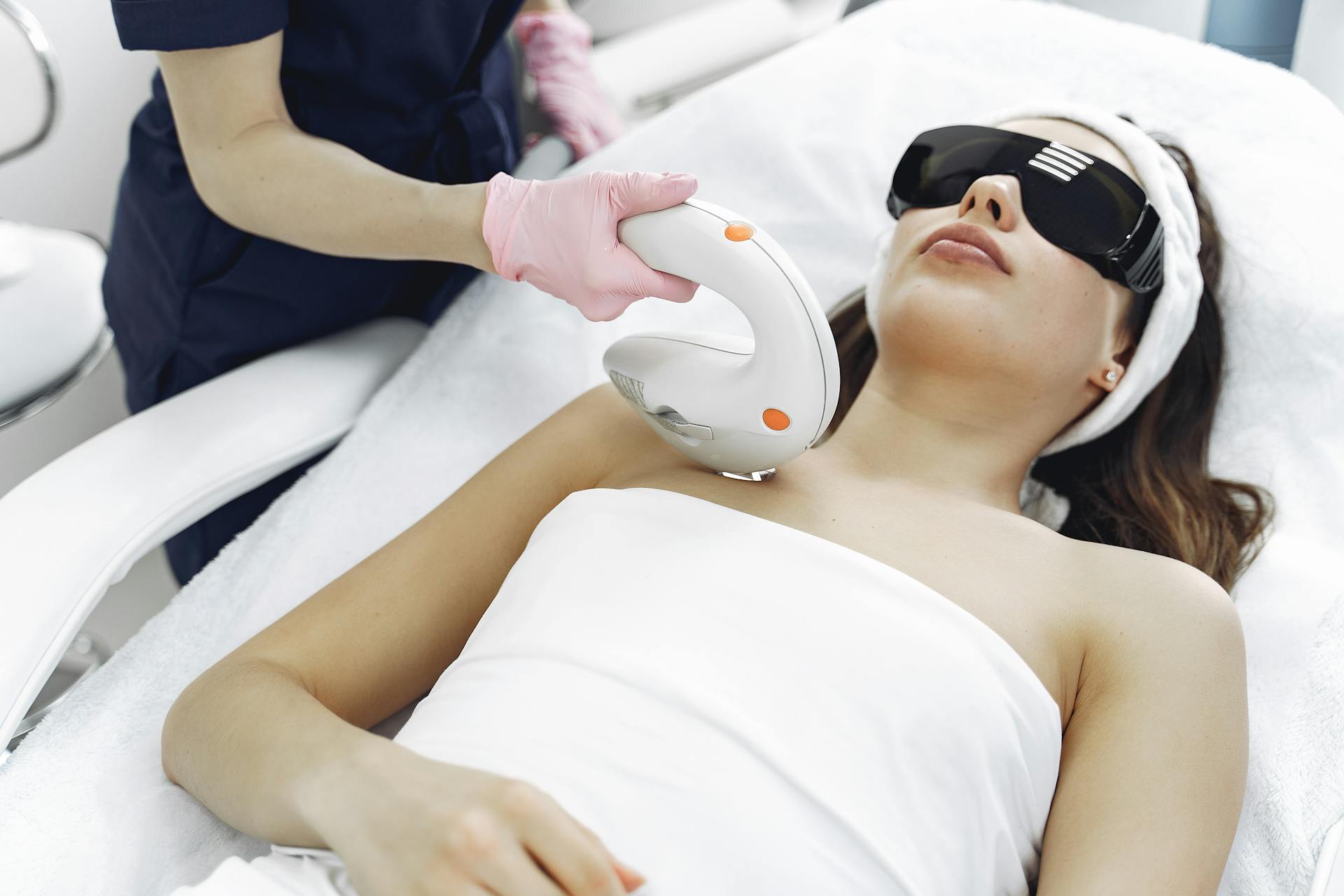
Bulk Purchase Anti-Aging Facial Tools | Medical-Grade Beauty Technology for Retailers
In today’s booming anti-aging market where consumers increasingly seek effective non-invasive alternatives to cosmetic surgery, bulk purchase opportunities for premium anti-aging facial tools present a compelling business proposition for forward-thinking retailers, spa chains, and beauty distributors. The convergence of advancing technology, growing consumer sophistication, and expanding distribution channels has created unprecedented demand for medical-grade beauty technology that delivers visible results without the downtime, cost, or risks associated with surgical interventions. For retailers positioned to capitalize on this trend through strategic bulk purchasing of anti-aging facial tools, understanding product categories, supplier evaluation criteria, and go-to-market strategies becomes essential for maximizing return on investment while building lasting customer loyalty.

The Explosive Growth of the Anti-Aging Facial Tools Market
The global anti-aging market has undergone remarkable transformation, evolving from a niche segment dominated by topical creams and serums into a multi-billion-dollar ecosystem encompassing sophisticated devices, professional treatments, and integrated skincare regimens. Within this expanding landscape, anti-aging facial tools—particularly those incorporating medical-grade technologies—represent one of the fastest-growing subcategories.
Market Size and Growth Projections
Industry analysts project the global anti-aging devices market will reach approximately USD 18.4 billion by 2027, representing a compound annual growth rate (CAGR) of 8.9% from 2023 baseline figures. Several converging factors drive this sustained expansion:
Demographic Tailwinds: The global population aged 45+ continues growing across virtually all major economies. In developed markets like Japan, Germany, and Italy, seniors comprise 25-30% of the population; in developing economies such as China, Brazil, and Mexico, middle-aged and older demographics are expanding rapidly as life expectancies increase and birth rates moderate.
Shifting Consumer Preferences: Today’s consumers demonstrate markedly different attitudes toward aging than previous generations:
- Greater acceptance of aesthetic enhancement as self-care rather than vanity
- Preference for preventive approaches beginning earlier (30s rather than 50s+)
- Willingness to invest in quality tools delivering measurable results
- Skepticism of “miracle” claims; demand for science-backed efficacy evidence
Technology Democratization: Features previously available only in clinical settings costing hundreds of dollars per treatment now appear in consumer-accessible devices priced for home use. Radiofrequency micro-needling, LED phototherapy, microcurrent stimulation, and ultrasound infusion technologies have all migrated from exclusive med-spas to retail shelves over the past five years.
E-Commerce Enablement: Online platforms enable retailers to reach customers seeking specialized anti-aging facial tools that local brick-and-mortar stores cannot economically stock due to inventory depth requirements. Subscription models, educational content marketing, and community-building around device usage further accelerate adoption curves.
Understanding Your Target Customer Segments
Effective bulk purchasing strategy begins with clear understanding of who will ultimately use the anti-aging facial tools you procure. Different customer segments exhibit distinct preferences, price sensitivities, and feature priorities:
Segment 1: The Discerning Professional (Ages 35-50)
Profile: Career-focused women (and increasingly men) with disposable income who view appearance maintenance as professional investment. They research purchases extensively, compare specifications, read reviews, and demand tangible results.
Preferred Product Characteristics:
- Medical-grade or clinical-proven technology with published study data
- Premium build quality reflecting price point ($200-$600 typical)
- Comprehensive user education materials and support resources
- Time-efficient treatments fitting busy schedules (15-30 minutes maximum)
- Visible results within 2-4 weeks of consistent use
Procurement Implications: This segment justifies higher per-unit costs in exchange for quality differentiation. Bulk purchase decisions should prioritize proven brands with strong reputations and robust warranty programs.
Segment 2: The Wellness-Oriented Millennial/Gen X (Ages 28-42)
Profile: Holistic health consumers integrating beauty devices into broader self-care routines encompassing nutrition, fitness, mindfulness, and skincare. They value authenticity, sustainability, and brand stories aligning with personal values.
Preferred Product Characteristics:
- Clean design aesthetics complementing bathroom decor and social media sharing
- Eco-conscious packaging and sustainable manufacturing practices
- Multi-functionality reducing clutter (devices addressing multiple concerns)
- App connectivity enabling progress tracking and guided routines
- Moderate pricing ($100-$350) balancing quality with accessibility
Procurement Implications: Consider bundling strategies combining devices with compatible consumables (serums, gels, masks) that enhance treatment outcomes and create recurring revenue streams.
Segment 3: The Gift Shopper (All Ages)
Profile: Purchasers buying anti-aging facial tools as gifts for mothers, wives, sisters, friends, or colleagues. They prioritize attractive packaging, perceived value, brand recognition, and gift-ready presentation over technical specifications.
Preferred Product Characteristics:
- Recognizable brand names conveying quality assurance to non-expert buyers
- Premium packaging suitable for immediate gifting without additional wrapping
- Clear benefit communication on exterior packaging (“Visibly firmer skin in 14 days”)
- Price points appropriate for gift occasions ($75-$250 most common)
- Return/exchange policies accommodating uncertain recipients
Procurement Implications: Seasonal demand patterns heavily influence this segment’s buying cycles—Q4 holiday season may represent 40-60% of annual sales volume for gift-oriented products.
Essential Categories of Anti-Aging Facial Tools for Bulk Purchase
When building a procurement portfolio targeting the anti-aging market, retailers should consider stocking a balanced selection covering multiple technology modalities and price points. Here is an analysis of the most commercially significant categories:
Category 1: Radiofrequency (RF) Facial Devices
Radiofrequency remains the gold-standard non-invasive technology for skin tightening and wrinkle reduction, making RF-based anti-aging facial tools essential components of any comprehensive anti-aging assortment.
How RF Anti-Aging Technology Works: RF devices deliver controlled electromagnetic energy into the dermis layer of skin, where tissue resistance to electron movement generates gentle, uniform heat. This thermal effect (typically reaching 55-65°C at target depth) triggers several beneficial biological responses:
- Immediate collagen fiber contraction: Existing collagen strands tighten, producing instant (though temporary) tightening sensation
- Neocollagenesis stimulation: Thermal injury activates wound-healing response, generating new collagen over subsequent weeks
- Elastin production increase: Elastic fibers providing snap-back resilience are simultaneously stimulated
- Improved circulation: Enhanced blood flow delivers nutrients supporting cellular regeneration
- Lymphatic drainage acceleration: Metabolic waste removal reduces puffiness and promotes clearer complexion
Key Specifications for Retailer Evaluation:
| Specification | Budget Tier | Mid-Range | Premium |
|---|---|---|---|
| Frequency Range | Single fixed (~1 MHz) | Dual-frequency (0.5-2 MHz) | Multi-polar variable (0.3-6 MHz) |
| Power Output | 5-15W | 15-30W | 25-50W |
| Treatment Heads | 1 fixed head | 2-3 interchangeable heads | 4-6 specialized heads |
| Cooling System | None/passive | Active fan cooling | Thermoelectric (Peltier) active cooling |
| Display Interface | LED indicators | Basic LCD screen | Full-color touchscreen |
| Typical Retail Price | $80-180 | $200-450 | $500-1,200 |
Bulk Purchase Volume Recommendations: RF devices command strong margins (40-60% gross margin typical) and generate consistent repeat purchases as users upgrade to more advanced models or replace aging units. Initial bulk orders of 100-500 units establish adequate inventory depth for most retail channels.
Category 2: Microcurrent Facial Toning Devices
Often described as “non-surgical facelift” alternatives, microcurrent devices have gained enormous popularity among consumers seeking lifting, toning, and contouring effects without invasive procedures.
Science Behind Microcurrent Anti-Aging Benefits: Microcurrent technology delivers extremely low-level electrical currents (typically 200-500 microamperes) that closely mimic the body’s own bioelectrical signals controlling muscle contractions. At this subtle current level, several mechanisms contribute to anti-aging benefits:
Muscle Re-education: Just as physical therapy uses electrical stimulation to rehabilitate injured muscles, facial microcurrent re-trains muscles that have weakened or become imbalanced over time due to aging, gravity, and repetitive expression patterns. Consistent treatment helps restore more lifted, symmetrical facial contours.
Cellular ATP Enhancement: Studies indicate microcurrent exposure increases adenosine triphosphate (ATP) production by up to 500%. ATP serves as cellular energy currency—higher levels accelerate all metabolic processes including collagen synthesis, nutrient absorption, and waste removal.
Enhanced Blood Circulation: Gentle electrical stimulation improves microcirculation in treated areas, delivering oxygen and nutrients while removing metabolic byproducts that contribute to dull, tired-looking skin.
Product Penetration Facilitation: When used in conjunction with conductive serums or gels, microcurrent creates electrophoretic forces driving active ingredients deeper into skin tissue than topical application alone achieves.
Consumer Usage Patterns Affecting Bulk Procurement:
- Most effective when used 3-5 times weekly initially, then 1-2 times weekly for maintenance
- Individual sessions last 10-20 minutes depending on protocol complexity
- Visible improvements typically appear after 4-8 weeks of consistent use
- Results are cumulative—long-term users report progressively better outcomes
- Device lifespan averages 3-5 years with proper care
These patterns suggest opportunity for consumable accessory sales (conductive gels, replacement sponges, charging cables) alongside hardware units, improving overall customer lifetime value.
Category 3: LED Light Therapy Facial Masks and Panels
LED phototherapy has transitioned from exclusive clinical domain to mainstream retail category, with facial masks and panels representing the fastest-growing format within anti-aging facial tools.
Wavelength-Specific Anti-Aging Actions:
| Wavelength | Color | Skin Penetration | Primary Anti-Aging Mechanism |
|---|---|---|---|
| 630nm (Red) | Red Light | 1-6mm depth | Collagen synthesis stimulation, fibroblast activation, reduced inflammation |
| 660nm (Deep Red) | Deep Red | 2-8mm depth | Deeper tissue repair, enhanced circulation, accelerated healing |
| 830nm (Near-Infrared) | NIR (Invisible) | 5-15mm depth | Cellular energy boost, mitochondrial activation, deep tissue rejuvenation |
| 520nm (Green) | Green Light | 0.5-2mm depth | Hyperpigmentation reduction, melanin regulation, calming sensitive skin |
| 590nm (Amber) | Amber/Yellow | 0.5-3mm depth | Lymphatic drainage promotion, redness reduction, rosacea management |
Retail Format Options:
Flexible LED Face Masks:
- Form-fitting silicone or fabric masks embedded with LEDs covering full face
- Typically feature 60-150 LEDs with primary red/near-infrared configuration
- Hands-free operation enables multitasking during 15-25 minute sessions
- Portable and travel-friendly; USB rechargeable battery power
- Price range: $60-$300 retail; popular e-commerce item
Rigid LED Face Panels:
- Larger rigid panels with higher LED counts (300-2,000+ LEDs)
- Higher irradiance intensity producing stronger therapeutic effects
- Desktop or wall-mounted configurations requiring dedicated treatment time
- Often include combination wavelength options via programmable controls
- Price range: $200-$800 retail; positioned toward serious skincare enthusiasts
Professional-Grade LED Units:
- Clinical-level output intensities exceeding 100mW/cm²
- Full-body panel options treating face and body simultaneously
- Used in spas, clinics, and by highly committed home users
- Significant investment ($1,000-$5,000+) but durable with long lifespans
- Strong candidate for financing/subscription offerings
Category 4: Microdermabrasion and Exfoliation Systems
Physical exfoliation addresses surface-level aging signs including fine lines, uneven texture, dullness, and superficial hyperpigmentation by removing dead skin cells and stimulating cellular turnover.
Technology Variations:
Crystal Microdermabrasion: Traditional technology using a stream of fine aluminum oxide crystals to ablate skin surface. Effective but messy; largely replaced by newer approaches in home-use devices.
Diamond-Tip Microdermabrasion: Diamond-coated wand tip provides abrasion surface without crystal particles. Cleaner operation, adjustable suction levels, and precise control over exfoliation intensity. Dominant format for home and professional anti-aging facial tools.
Hydro-Dermabrasion (Hydra-Facial Style): Combines exfoliation with simultaneous serum infusion and extraction. Water-based system gentler than abrasive methods; excellent for sensitive skin types. Growing rapidly in popularity despite typically higher price points.
Ultrasonic Exfoliation: Uses high-frequency vibration (typically 24,000-28,000 Hz) to loosen dead cells and debris without physical contact. Can be combined with product infusion functions. Popular multipurpose option.
Bulk Purchase Considerations: Exfoliation devices often sell well as entry-point products introducing customers to the broader anti-aging facial tools ecosystem. Competitive pricing on basic models drives initial trial; upgrade path to advanced devices captures future revenue.
Category 5: Facial Massage and Lifting Tools
This diverse category encompasses manual and powered devices designed to improve facial circulation, reduce puffiness, enhance product absorption, and provide gentle lifting effects through massage manipulation.
Popular Sub-Categories:
| Device Type | Mechanism of Action | Primary Anti-Aging Benefit | Price Range |
|---|---|---|---|
| Jade/Gua Sha Rollers | Manual lymphatic drainage | Reduced puffiness, improved circulation | $15-60 |
| Electric Facial Massagers | Vibration + thermal + EMS | Muscle relaxation, product penetration | $30-120 |
| Heated Facial Rollers | Warmth + rolling action | Increased blood flow, serum absorption | $40-150 |
| Facial Cupping Sets | Suction-based myofascial release | Improved tone, reduced tension lines | $20-80 |
| EMS Facial Trainers | Electrical muscle stimulation | Muscle toning, lifting effect | $80-250 |
While individually lower-priced than high-tech RF or LED devices, these items offer strong add-on potential at checkout, impulse-buy characteristics, and gift-giving appeal that supports healthy attachment rates in both online and physical retail environments.
Evaluating Suppliers for Bulk Anti-Aging Facial Tool Purchases
Successful bulk procurement depends critically on selecting manufacturing partners capable of consistently delivering quality medical-grade beauty technology at competitive prices with reliable fulfillment performance. Apply rigorous evaluation criteria before committing to significant purchase volumes.
Quality Assurance Verification Checklist
Manufacturing Certifications to Verify:
- ISO 9001:2015 Quality Management System certification
- ISO 13485:2016 Medical Device Quality Management (for medical-grade claims)
- CE marking under applicable European directives (MDR for Class I/IIa devices)
- FDA registration/clearance documentation (if marketing in United States)
- RoHS compliance for electronic components (restricting hazardous substances)
- REACH compliance for materials sold within European Union
Quality Control Process Assessment: Request detailed description of the manufacturer’s QC procedures including:
- Incoming material inspection protocols (sampling rates, acceptance criteria)
- In-process inspection checkpoints during assembly
- Final testing procedures before shipment (functional testing duration, pass/fail criteria)
- Defect handling procedures (quarantine, root cause analysis, corrective action)
- Statistical process control methods tracking quality trends over time
- Calibration schedules maintaining testing equipment accuracy
Sample Testing Protocol for New Suppliers: Before placing large orders, obtain evaluation samples and subject them to thorough testing:
Safety Testing:
- Electrical safety verification (insulation resistance, leakage current, grounding continuity)
- EMC pre-compliance assessment (electromagnetic interference emission/susceptibility)
- Temperature testing at maximum operating conditions
- Drop and impact resistance evaluation
- Battery safety testing (overcharge, short circuit, thermal runaway) if applicable
Performance Testing:
- Output accuracy against claimed specifications (RF power, LED wavelength, microcurrent amplitude)
- Consistency across multiple units from same batch
- Durability testing simulating extended use patterns
- User interface responsiveness and reliability assessment
- Accessory compatibility verification (treatment heads, chargers, conductive gels)
Financial Stability and Business Viability Assessment
Bulk purchasing involves significant financial commitment; ensure your supplier possesses resources fulfilling ongoing obligations:
Financial Health Indicators:
- Years in continuous operation (5+ years preferred for stability confidence)
- Employee count trends indicating business trajectory direction
- Facility ownership vs. leasing suggesting capital commitment level
- Publicly available financial data (if larger company) or credit reports (for private entities)
- Customer concentration levels (excessive dependence on single large customer = risk factor)
- Raw material payment terms indicating cash flow strength
Production Capacity Verification:
- Monthly output capability relative to your anticipated volume needs
- Workforce size and skill level appropriate for product complexity
- Equipment modernity and maintenance status
- Expansion plans demonstrating scalability for growing partnerships
- Sub-contractor relationships for capacity surge scenarios
Pricing Strategy and Margin Optimization for Bulk Purchased Anti-Aging Facial Tools
Understanding cost structures enables retailers to negotiate effectively and set profitable pricing for anti-aging facial tools procured through bulk purchase arrangements.
Cost Component Analysis
Direct Manufacturing Costs (per unit): | Cost Element | Budget Device % | Mid-Range % | Premium % | |————–|—————–|————-|———–| | Electronic Components (PCB, MCU, sensors) | 28-38% | 22-32% | 18-28% | | Power System (adapter, battery, charger) | 8-12% | 6-10% | 5-8% | | Housing/Mechanical Parts | 12-18% | 16-24% | 22-30% | | Display & Interface | 5-10% | 8-14% | 10-16% | | Treatment Head/Electrodes | 10-18% | 12-20% | 14-22% | | Packaging & Accessories | 8-14% | 8-12% | 6-10% | | Assembly Labor | 8-12% | 6-10% | 5-8% | | Factory Overhead & QA | 6-10% | 6-9% | 5-8% |
Additional Cost Layers:
- Manufacturer Gross Margin: 12-25% above direct costs
- Export/Trading Company Margin (if applicable): 8-18%
- International Shipping: 3-8% of FOB value (varies by mode and volume)
- Import Duties/Tariffs: 0-20% depending on HS code classification and origin country
- Inland Logistics: 1-4%
- Your Operating Margin Target: Determine based on channel and competitive positioning
Strategic Pricing Approaches for Different Retail Channels
Premium Positioning Strategy:
- Emphasize medical-grade technology, clinical validation, and superior build quality
- Price 40-80% above category average; target affluent, quality-focused consumers
- Support premium pricing with extensive education content, white-glove service
- Protect margins through selective distribution limiting discount pressure
- Best suited for: specialty retailers, medical-aesthetic practices, luxury department stores
Value Leadership Strategy:
- Focus on accessible pricing bringing anti-aging facial tools to mass-market consumers
- Operate on lower margins (25-40%) compensated by higher volume velocity
- Optimize supply chain efficiency minimizing every cost component
- Leverage private label/custom branding creating perceived value beyond generic competition
- Best suited for: big-box retailers, e-commerce marketplaces, drugstore chains
Good-Better-Best Assortment Strategy:
- Offer tiered selection spanning entry-level through premium price points
- Guide customers upward through comparison merchandising and consultative selling
- Capture broad market coverage while developing upgrade path for satisfied entry buyers
- Requires careful SKU rationalization avoiding excessive internal cannibalization
- Best suited for: multi-channel retailers, beauty specialty stores, omni-commerce players
Marketing and Merchandising Strategies for Anti-Aging Facial Tools
Even exceptional medical-grade beauty technology fails to generate expected returns without effective marketing connecting products with motivated buyers. Develop comprehensive go-to-market plans addressing awareness generation, consideration nurturing, conversion optimization, and loyalty building.
Content Marketing: Educating Consumers Builds Trust and Sales
Anti-aging consumers research extensively before purchasing; informative content positions your brand as trusted authority while naturally featuring your product portfolio.
Content Types Proven Effective:
Educational Blog Articles:
- “How Radiofrequency Tightens Skin: The Science Explained Simply”
- “Microcurrent vs. LED vs. RF: Which Anti-Aging Tool Fits Your Concerns?”
- “Building Your Home Skincare Routine: Where Devices Fit In”
- “What Dermatologists Say About At-Home Beauty Devices”
- “Age 30, 40, 50+: Choosing the Right Device for Your Stage”
Video Content Formats:
- Unboxing videos showcasing product quality and included accessories
- Before/after transformation series documenting real user journeys
- Tutorial videos demonstrating proper technique for optimal results
- Comparison reviews pitting featured products against competitors
- Live Q&A sessions with aestheticians or dermatologists answering viewer questions
Social Media Content:
- User-generated content campaigns encouraging customer posts
- Influencer partnerships with authentic skincare content creators
- Educational carousel posts breaking down complex topics simply
- Behind-the-scenes content humanizing your brand and team
Visual Merchandising Guidelines for Physical Retail
How anti-aging facial tools appear in-store dramatically impacts purchase conversion rates:
Display Best Practices:
- Elevated positioning: Place devices at eye level on fixtures, not bottom shelves
- Working demonstrators: Keep at least one unit of each key product operational for hands-on trial
- Benefit-focused signage: Use headlines highlighting outcomes (“Firmer Skin in 14 Days”) not features (“5 Intensity Levels”)
- Comparison displays: Show side-by-side good-better-best options facilitating upgrade decisions
- Lifestyle imagery: Feature aspirational photos of people similar to target demographic using products happily
- Accessory cross-merchandising: Position complementary products (serums, gels, accessories) adjacent to devices increasing basket size
Staff Education Requirements: Ensure sales associates can confidently discuss:
- How each technology works in simple, relatable terms
- Which products address which specific customer concerns
- Proper usage techniques and realistic expectation setting
- Warranty information and return policies
- Upselling opportunities to premium tiers or complementary items
Conduct regular training refreshers and maintain quick-reference guides at point of sale for consistent messaging.
Frequently Asked Questions About Bulk Purchasing Anti-Aging Facial Tools
Q1: What is the minimum order quantity for bulk purchase pricing on anti-aging facial tools?
MOQ thresholds vary significantly by supplier type, product category, and desired customization:
- Generic/unbranded products: Often available from 50-100 units at bulk pricing
- Private label/OEM: Typically 200-500 units minimum; some suppliers accept 100-unit pilot runs
- Established branded products: May require 500-2,000 units for distributor pricing
- Custom development projects: Investment-based rather quantity-based; tooling costs dominate initial commitment
Always confirm MOQ requirements explicitly during negotiations. Some manufacturers offer graduated pricing structures where per-unit costs decrease at volume thresholds (100, 500, 1,000, 5,000 units), allowing you to optimize order quantities against working capital constraints.
Q2: How do I verify that anti-aging facial tools meet safety standards for my retail market?
Safety verification requires multi-layered approach:
- Certification review: Request copies of relevant certificates (CE, FCC, FDA, etc.) and verify serial numbers through issuing authority databases
- Third-party testing: Commission independent laboratory tests on samples covering electrical safety, EMC emissions, biocompatibility, and material safety
- Insurance confirmation: Verify manufacturer carries product liability insurance adequate for your market (minimum $2M recommended for US retail)
- Incident history inquiry: Ask about any recalls, safety incidents, or regulatory actions involving their products historically
- User manual review: Evaluate instruction completeness including proper warnings, contraindications, and emergency procedures
Never assume safety compliance based solely on supplier assertions—due diligence protects your customers and your business from liability exposure.
Q3: Should I carry warranty responsibility or pass it through to the manufacturer?
Both approaches present trade-offs:
Retailer-Handled Warranty Advantages:
- Control over customer experience; faster resolution without manufacturer coordination
- Opportunity to strengthen customer relationship through responsive service
- Ability to gather direct feedback informing future purchasing decisions
- Potential upsell engagement during warranty interactions
Retailer-Handled Warranty Disadvantages:
- Financial liability for defects caused by manufacturing issues
- Need for repair/refurbishment capabilities or disposal costs for defective units
- Administrative burden tracking claims and managing inventory reserves
Manufacturer-Direct Warranty Advantages:
- Eliminates financial exposure to manufacturing defect costs
- Technical expertise of manufacturer engineering teams for complex diagnostics
- No need for retailer to maintain repair infrastructure
Manufacturer-Direct Warranty Disadvantages:
- Less control over resolution speed and quality
- Customer frustration dealing with unfamiliar overseas contacts
- Communication challenges potentially damaging your brand perception
Many successful retailers implement hybrid approaches: handling simple issues (user error, minor defects) directly while escalating complex cases to manufacturers with clear SLAs governing response times.
Q4: What is the typical shelf life and obsolescence risk for anti-aging facial tools?
Unlike consumable cosmetics with expiration dates driven by preservation chemistry, anti-aging facial tools face obsolescence rather than spoilage concerns:
Product Lifespan Factors:
- Electronic component degradation: Capacitors dry out, batteries lose capacity, solder joints fatigue—typically 5-8 years before noticeable degradation
- Technology evolution cycle: New features, form factors, and capabilities emerge every 18-36 months potentially rendering existing designs less competitive
- Trend sensitivity: Certain device categories experience fashion-driven popularity swings independent of technical advancement
- Regulatory changes: Updated standards may require modifications to previously compliant products
Inventory Management Recommendations:
- Monitor sell-through rates by SKU monthly; investigate slow-movers exceeding 90 days inventory age
- Plan promotional markdowns before technology generations shift rather than after
- Maintain lean safety stocks of fast-turning SKUs; deeper inventories only for proven evergreen items
- Establish vendor return/exchange agreements for slow-moving inventory where negotiable
- Track industry product launch calendars anticipating competitive introductions
Most well-managed anti-aging facial tool inventories should turn 4-8 times annually for core SKUs, indicating healthy demand alignment between procurement and sales velocity.
Q5: How can I differentiate my anti-aging facial tool offering from competitors carrying similar products?
Differentiation opportunities span multiple dimensions beyond product selection alone:
Service Differentiation:
- Expert consultation services helping customers select optimal devices for their specific concerns
- Complimentary setup assistance and technique training with purchase
- Loyalty programs rewarding repeat purchases and referrals with exclusive access or discounts
- Extended warranty options and priority support for premium customers
Experience Differentiation:
- Immersive in-store demo stations enabling extended hands-on trial experiences
- Virtual consultation options connecting remote customers with product specialists
- Community events (workshops, expert talks, user gatherings) building emotional connections
- Unboxing experience design making purchase moments memorable and shareable
Content Differentiation:
- Original research, studies, or outcome data generated through your customer base
- Educational content depth establishing authoritative expertise competitors cannot easily replicate
- Personalized recommendation engines leveraging purchase history and preference data
Assortment Differentiation:
- Exclusive products available only through your channels
- Unique bundle combinations unavailable elsewhere
- Private-label offerings with proprietary formulations or designs
Invest differentiation efforts in dimensions where your specific strengths provide sustainable advantages rather than competing directly on dimensions dominated by better-resourced competitors.
Tags: bulk purchase anti-aging facial tools, medical-grade beauty technology, wholesale anti-aging devices, beauty equipment retailer, facial rejuvenation tools, skincare device wholesale, anti-aging machine distributor, professional beauty tech retailer, aesthetic device bulk buy, facial toning equipment wholesale