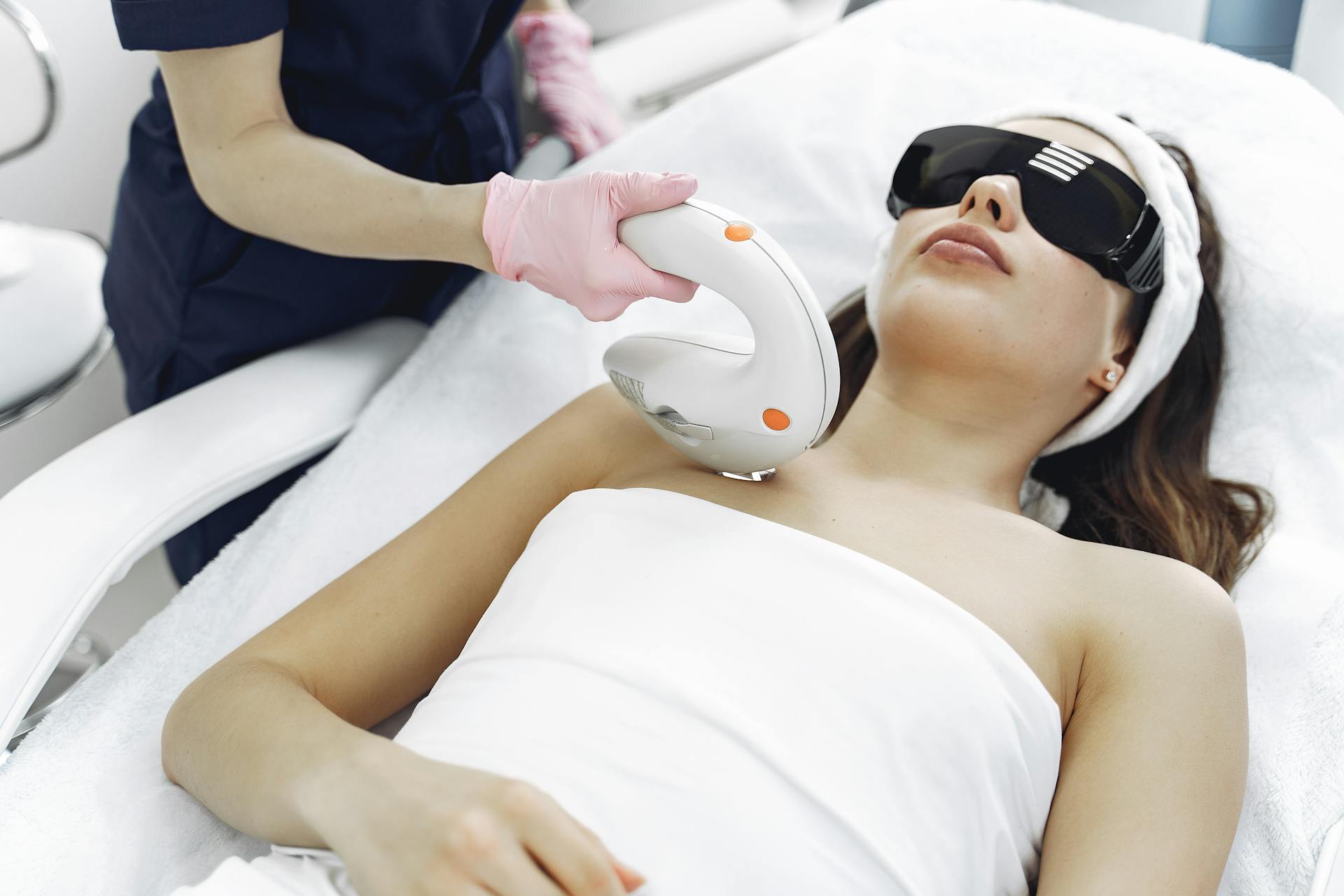
Custom Beauty Devices & Salon Equipment Factory: Your Complete B2B Sourcing Guide for 2026
The global beauty device market is projected to exceed $60 billion by 2027, and behind every successful beauty brand lies a reliable custom beauty devices and salon equipment factory partner. Whether you are launching a new skincare line, expanding your salon chain, or entering the B2B distribution space, understanding how to source from a professional salon equipment factory is the foundation of your business success. This comprehensive guide will walk you through everything you need to know—from factory selection and certification verification to custom OEM/ODM workflows and quality assurance protocols.

Why Partnering with a Custom Beauty Devices Factory is a Strategic Advantage
When you work directly with a custom beauty devices manufacturer rather than a middleman, you unlock several critical advantages. First, you gain full control over product specifications—your custom beauty devices can be tailored to your target demographic, regional regulations, and brand identity. Second, direct factory partnerships reduce costs by 30–50% compared to wholesale distributors. Third, you secure supply chain stability, which is invaluable during peak seasons or global shipping disruptions.
What Defines a Top-Tier Salon Equipment Factory?
Not all factories are created equal. A premium salon equipment factory should demonstrate:
- ISO 13485 or ISO 9001 certification for medical-grade manufacturing standards
- CE, FCC, RoHS, and FDA registration for international market access
- In-house R&D team capable of developing custom beauty devices from concept to prototype
- Minimum 5 years of export experience with verifiable trade records
- Minimum order quantities (MOQ) that align with your business scale—typically 50–500 units for new partners
Real-World Example: A UK-based skincare brand we assisted reduced their per-unit cost by 42% after switching from a trading company to a direct salon equipment factory partnership. Their lead time also dropped from 90 days to 45 days because they eliminated the middle layer of communication.
Understanding the OEM vs ODM Model for Beauty Devices
OEM (Original Equipment Manufacturing)
In the OEM model, you provide the complete product specification, design files, and technical drawings. The factory manufactures exactly what you define. This is ideal for established brands with in-house engineering capabilities.
Advantages:
- Full intellectual property ownership
- Unique product differentiation
- Total control over component sourcing
Disadvantages:
- Higher upfront engineering costs
- Longer development timeline (8–16 weeks for tooling)
- Requires detailed technical knowledge
ODM (Original Design Manufacturing)
In the ODM model, the factory presents existing designs, and you customize the appearance, packaging, branding, and minor features. This is perfect for startups and mid-market brands.
Advantages:
- Faster time-to-market (4–8 weeks for first samples)
- Lower development costs (80% less than OEM)
- Proven, tested technology platforms
Disadvantages:
- Less differentiation from competitors
- Limited IP protection on core technology
For most new importers, we recommend starting with ODM for custom beauty devices, then gradually transitioning to OEM as your sales volume justifies the engineering investment.
Step-by-Step: How to Source from a Salon Equipment Factory
Step 1: Factory Research and Shortlisting
Start by searching for custom beauty devices and salon equipment factory on verified B2B platforms like Alibaba Verified, Global Sources, and Canton Fair directories. Cross-reference each candidate with:
- Third-party audit reports (Bureau Veritas, SGS, TÜV Rheinland)
- Export history (what countries do they ship to?)
- Client testimonials with verifiable company names
- Social media presence showing active factory operations
Step 2: Request and Evaluate RFQs (Request for Quotations)
When you contact a salon equipment factory, send a detailed RFQ that includes:
- Product type and intended use (e.g., RF beauty machine for facial tightening)
- Target price range per unit
- Estimated annual volume
- Required certifications
- Packaging and labeling requirements
- Destination port (this affects shipping cost calculations)
Step 3: Sample Evaluation Protocol
Never skip samples. Request 2–3 production-ready samples and evaluate:
- Build quality – Are housings flush? Are buttons tactile?
- Performance testing – Does output match specifications?
- Safety testing – Are there exposed wires? Does the device overheat?
- User experience – Is the interface intuitive?
Step 4: Factory Audit (On-site or Virtual)
For serious partnerships, arrange a factory audit. Key areas to inspect:
- Production line organization (lean manufacturing vs chaotic workstations)
- Quality control checkpoints (at least 3: raw material, in-process, final)
- Warehouse conditions (temperature-controlled? Proper shelving?)
- R&D lab capability (can they iterate on custom beauty devices quickly?)
Step 5: Negotiate Payment Terms and Contracts
Standard terms for salon equipment factory transactions:
| Payment Milestone | Typical Percentage | Notes |
|---|---|---|
| Deposit | 30% | Upon signed contract |
| Sample fee | Separate | Often $200–$800 per model |
| Progress payment | 40% | Upon production completion |
| Balance | 30% | Before shipment (against BL copy) |
| Total | 100% | TT or LC negotiable |
Common Mistakes When Sourcing Custom Beauty Devices
Mistake 1: Choosing the Cheapest Supplier
The lowest quote often hides compromises: thinner housing plastic, lower-grade electronics, counterfeit certifications. A bid 30% below market average should trigger caution, not celebration.
Mistake 2: Skipping MOQ Negotiation
If a salon equipment factory quotes an MOQ of 500 units but you need 100, ask about a higher per-unit price for a smaller batch. Many factories will accommodate when they see growth potential.
Mistake 3: Ignoring After-Sales Support
Ensure your agreement covers:
- 1-year warranty on parts and labor
- Technical training (video manuals, remote support)
- Spare parts availability for 3+ years after model discontinuation
FAQ: Sourcing Custom Beauty Devices from a Salon Equipment Factory
Q: What is the minimum investment to start importing custom beauty devices? A: For an ODM partnership, expect $3,000–$10,000 for samples, tooling, and initial deposit on 50–100 units.
Q: How do I verify a salon equipment factory is legitimate? A: Request a video call tour of their facility, check their business license, verify ISO certifications against the issuing body’s database, and ask for past shipment records to your country.
Q: Can I protect my brand when working with a custom beauty devices factory? A: Yes. Register your design patent in the factory’s country (China) and your target markets. Use a non-disclosure agreement (NDA) and a non-circumvention agreement.
Q: How long does it take from order to delivery? A: ODM: 4–8 weeks for samples, 25–40 days for bulk. OEM: 8–16 weeks for samples (with tooling), 30–50 days for bulk. Ocean shipping adds 15–35 days depending on destination.
Conclusion
Finding the right custom beauty devices and salon equipment factory partner is the single most important decision you will make in the beauty tech import business. Do your due diligence, test samples rigorously, negotiate clear contracts, and build relationships—not just transactions. The factories that treat you as a long-term partner will invest more in your success than those chasing a single order.
Ready to start sourcing premium custom beauty devices for your brand? Explore our curated factory directory and sourcing services at Ladyww for verified, pre-vetted salon equipment factory partners with proven export records.
Tags: custom beauty devices, salon equipment factory, beauty machine OEM, ODM skincare tech, beauty device supplier, salon equipment wholesale, beauty tech manufacturing, OEM beauty machines, custom skincare equipment, B2B beauty sourcing
Custom Beauty Devices & Salon Equipment Factory: Your Complete B2B Sourcing Guide for 2026
The global beauty device market is projected to exceed $60 billion by 2027, and behind every successful beauty brand lies a reliable custom beauty devices and salon equipment factory partner. Whether you are launching a new skincare line, expanding your salon chain, or entering the B2B distribution space, understanding how to source from a professional salon equipment factory is the foundation of your business success. This comprehensive guide will walk you through everything you need to know—from factory selection and certification verification to custom OEM/ODM workflows and quality assurance protocols.

Why Partnering with a Custom Beauty Devices Factory is a Strategic Advantage
When you work directly with a custom beauty devices manufacturer rather than a middleman, you unlock several critical advantages. First, you gain full control over product specifications—your custom beauty devices can be tailored to your target demographic, regional regulations, and brand identity. Second, direct factory partnerships reduce costs by 30–50% compared to wholesale distributors. Third, you secure supply chain stability, which is invaluable during peak seasons or global shipping disruptions.
What Defines a Top-Tier Salon Equipment Factory?
Not all factories are created equal. A premium salon equipment factory should demonstrate:
- ISO 13485 or ISO 9001 certification for medical-grade manufacturing standards
- CE, FCC, RoHS, and FDA registration for international market access
- In-house R&D team capable of developing custom beauty devices from concept to prototype
- Minimum 5 years of export experience with verifiable trade records
- Minimum order quantities (MOQ) that align with your business scale—typically 50–500 units for new partners
Real-World Example: A UK-based skincare brand we assisted reduced their per-unit cost by 42% after switching from a trading company to a direct salon equipment factory partnership. Their lead time also dropped from 90 days to 45 days because they eliminated the middle layer of communication.
Understanding the OEM vs ODM Model for Beauty Devices
OEM (Original Equipment Manufacturing)
In the OEM model, you provide the complete product specification, design files, and technical drawings. The factory manufactures exactly what you define. This is ideal for established brands with in-house engineering capabilities.
Advantages:
- Full intellectual property ownership
- Unique product differentiation
- Total control over component sourcing
Disadvantages:
- Higher upfront engineering costs
- Longer development timeline (8–16 weeks for tooling)
- Requires detailed technical knowledge
ODM (Original Design Manufacturing)
In the ODM model, the factory presents existing designs, and you customize the appearance, packaging, branding, and minor features. This is perfect for startups and mid-market brands.
Advantages:
- Faster time-to-market (4–8 weeks for first samples)
- Lower development costs (80% less than OEM)
- Proven, tested technology platforms
Disadvantages:
- Less differentiation from competitors
- Limited IP protection on core technology
For most new importers, we recommend starting with ODM for custom beauty devices, then gradually transitioning to OEM as your sales volume justifies the engineering investment.
Step-by-Step: How to Source from a Salon Equipment Factory
Step 1: Factory Research and Shortlisting
Start by searching for custom beauty devices and salon equipment factory on verified B2B platforms like Alibaba Verified, Global Sources, and Canton Fair directories. Cross-reference each candidate with:
- Third-party audit reports (Bureau Veritas, SGS, TÜV Rheinland)
- Export history (what countries do they ship to?)
- Client testimonials with verifiable company names
- Social media presence showing active factory operations
Step 2: Request and Evaluate RFQs (Request for Quotations)
When you contact a salon equipment factory, send a detailed RFQ that includes:
- Product type and intended use (e.g., RF beauty machine for facial tightening)
- Target price range per unit
- Estimated annual volume
- Required certifications
- Packaging and labeling requirements
- Destination port (this affects shipping cost calculations)
Step 3: Sample Evaluation Protocol
Never skip samples. Request 2–3 production-ready samples and evaluate:
- Build quality – Are housings flush? Are buttons tactile?
- Performance testing – Does output match specifications?
- Safety testing – Are there exposed wires? Does the device overheat?
- User experience – Is the interface intuitive?
Step 4: Factory Audit (On-site or Virtual)
For serious partnerships, arrange a factory audit. Key areas to inspect:
- Production line organization (lean manufacturing vs chaotic workstations)
- Quality control checkpoints (at least 3: raw material, in-process, final)
- Warehouse conditions (temperature-controlled? Proper shelving?)
- R&D lab capability (can they iterate on custom beauty devices quickly?)
Step 5: Negotiate Payment Terms and Contracts
Standard terms for salon equipment factory transactions:
| Payment Milestone | Typical Percentage | Notes |
|---|---|---|
| Deposit | 30% | Upon signed contract |
| Sample fee | Separate | Often $200–$800 per model |
| Progress payment | 40% | Upon production completion |
| Balance | 30% | Before shipment (against BL copy) |
| Total | 100% | TT or LC negotiable |
Common Mistakes When Sourcing Custom Beauty Devices
Mistake 1: Choosing the Cheapest Supplier
The lowest quote often hides compromises: thinner housing plastic, lower-grade electronics, counterfeit certifications. A bid 30% below market average should trigger caution, not celebration.
Mistake 2: Skipping MOQ Negotiation
If a salon equipment factory quotes an MOQ of 500 units but you need 100, ask about a higher per-unit price for a smaller batch. Many factories will accommodate when they see growth potential.
Mistake 3: Ignoring After-Sales Support
Ensure your agreement covers:
- 1-year warranty on parts and labor
- Technical training (video manuals, remote support)
- Spare parts availability for 3+ years after model discontinuation
FAQ: Sourcing Custom Beauty Devices from a Salon Equipment Factory
Q: What is the minimum investment to start importing custom beauty devices? A: For an ODM partnership, expect $3,000–$10,000 for samples, tooling, and initial deposit on 50–100 units.
Q: How do I verify a salon equipment factory is legitimate? A: Request a video call tour of their facility, check their business license, verify ISO certifications against the issuing body’s database, and ask for past shipment records to your country.
Q: Can I protect my brand when working with a custom beauty devices factory? A: Yes. Register your design patent in the factory’s country (China) and your target markets. Use a non-disclosure agreement (NDA) and a non-circumvention agreement.
Q: How long does it take from order to delivery? A: ODM: 4–8 weeks for samples, 25–40 days for bulk. OEM: 8–16 weeks for samples (with tooling), 30–50 days for bulk. Ocean shipping adds 15–35 days depending on destination.
Conclusion
Finding the right custom beauty devices and salon equipment factory partner is the single most important decision you will make in the beauty tech import business. Do your due diligence, test samples rigorously, negotiate clear contracts, and build relationships—not just transactions. The factories that treat you as a long-term partner will invest more in your success than those chasing a single order.
Ready to start sourcing premium custom beauty devices for your brand? Explore our curated factory directory and sourcing services at Ladyww for verified, pre-vetted salon equipment factory partners with proven export records.
Tags: custom beauty devices, salon equipment factory, beauty machine OEM, ODM skincare tech, beauty device supplier, salon equipment wholesale, beauty tech manufacturing, OEM beauty machines, custom skincare equipment, B2B beauty sourcing