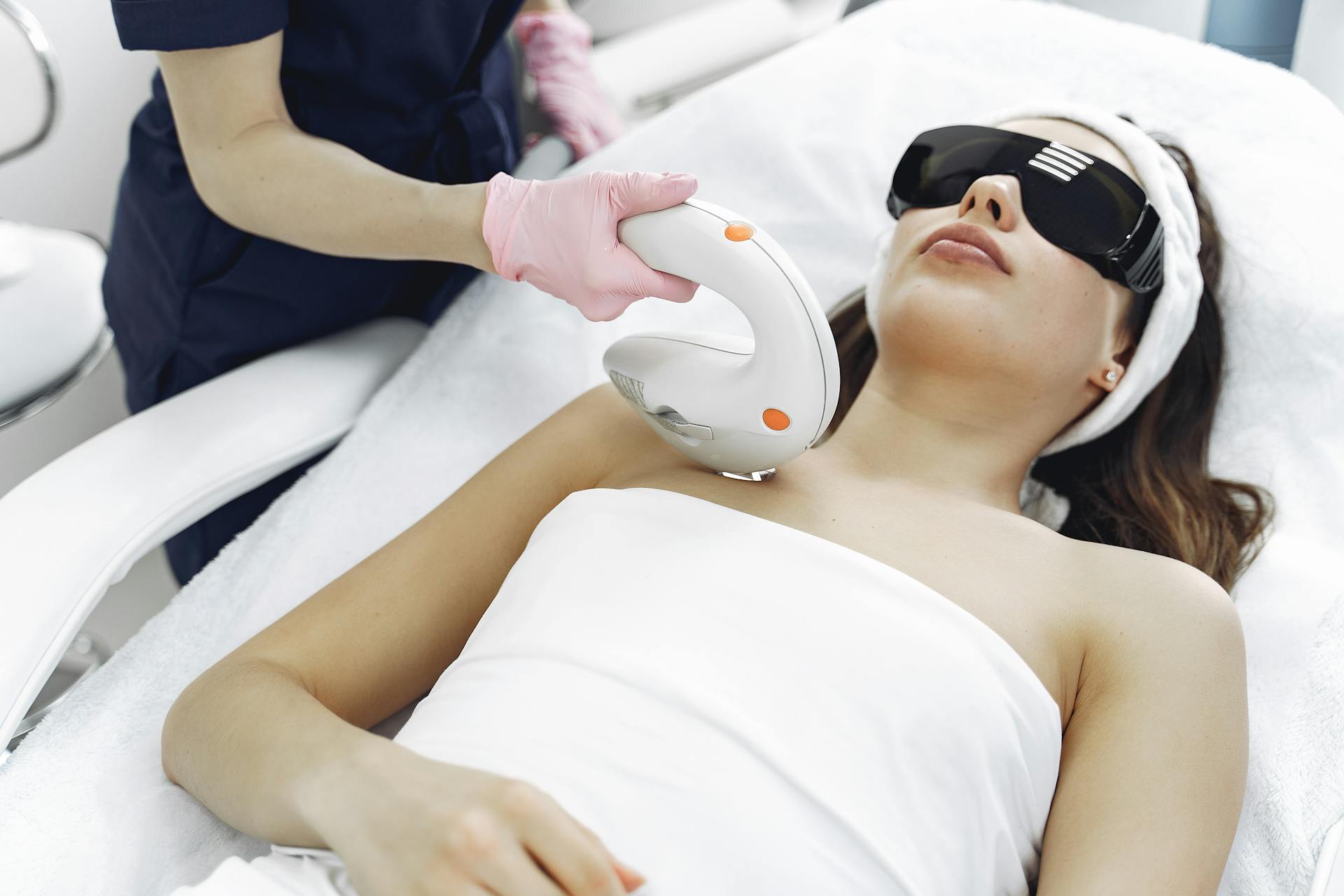
Custom OEM/ODM Beauty Device Manufacturer | Tailored Solutions for Skincare Brand Owners
For ambitious skincare brand owners, aesthetic entrepreneurs, and beauty product companies seeking to differentiate themselves in an increasingly crowded marketplace, partnering with a capable Custom OEM/ODM Beauty Device Manufacturer offers the most direct path to launching proprietary equipment under your own brand identity. The global beauty technology landscape has evolved dramatically over the past decade, transforming from a marketplace dominated by a handful of well-known equipment labels into a vibrant ecosystem where innovative brands can commission tailored solutions through specialized OEM/ODM manufacturing partnerships. This comprehensive guide explores every dimension of the custom beauty device development process, from initial concept evaluation through mass production and ongoing lifecycle management, empowering skincare brand owners to make informed decisions about bringing their unique vision to market.

Understanding OEM vs. ODM in the Beauty Device Industry
Before diving into the specifics of partner selection and project execution, it is essential to clarify the fundamental distinctions between Original Equipment Manufacturing (OEM) and Original Design Manufacturing (ODM) models, as these terms are frequently confused even within the industry.
Original Equipment Manufacturing (OEM): Your Design, Their Production
In the OEM model, you (the skincare brand owner) bring a completed or substantially developed product design to the manufacturer, who then handles production according to your exact specifications. You maintain complete control over:
- Product appearance including housing design, color schemes, and material selections
- User interface layouts, screen graphics, and operational workflows
- Technical specifications such as power output parameters, treatment protocols, and safety features
- Branding elements including logos, model names, packaging designs, and marketing collateral
- Intellectual property ownership of distinctive features and innovations
The manufacturer’s role focuses on production engineering—translating your design intent into manufacturable reality by developing tooling, establishing assembly processes, qualifying components, and ensuring consistent quality at scale.
When OEM Makes Sense for Skincare Brand Owners:
- You possess strong internal R&D capabilities or have engaged a qualified industrial design firm
- Your concept involves genuinely novel technology or feature combinations not currently available
- Brand differentiation requires unique visual identity that existing platforms cannot accommodate
- You hold or are pursuing patents requiring protection through proprietary implementations
- Market positioning demands clearly distinct products not easily compared to competitor alternatives
Original Design Manufacturing (ODM): Their Platform, Your Brand
Under the ODM approach, the manufacturer offers existing product platforms (often with multiple configuration options) that you customize superficially for your brand while leveraging proven underlying engineering. Typical customization options include:
- Exterior color changes and logo placement on housing surfaces
- Startup screen branding and custom boot animations
- Packaging design modifications incorporating your visual identity
- Model numbering systems aligned with your product naming conventions
- Minor functional parameter adjustments within the platform’s designed operating range
- Accessory kit customization (treatment head selection, consumables bundling)
When ODM Delivers Superior Value:
- Speed-to-market is critical—existing platforms eliminate 6-18 months of development time
- Budget constraints preclude full custom development investment (typically $50,000-$500,000+)
- Proven platform reliability reduces technical risk compared to untested new designs
- Your brand strength can carry differentiated positioning without needing unique hardware
- You plan to enter the device category experimentally before committing to larger investments
Hybrid Approaches: Combining OEM and ODM Elements
Many successful Custom OEM/ODM Beauty Device Manufacturer engagements blend both models strategically. For example:
- Selecting an ODM platform as the foundation but commissioning OEM-designed treatment heads offering proprietary functionality
- Using standard internal components (ODM) with fully custom exterior housings (OEM)
- Starting with ODM for initial market entry then transitioning to increasingly customized versions as sales volume justifies additional investment
Discuss hybrid possibilities openly with potential manufacturing partners—their flexibility often exceeds what standard service descriptions suggest.
Finding the Right Custom OEM/ODM Beauty Device Manufacturing Partner
The success of your branded device initiative depends critically on selecting a manufacturing partner whose capabilities align with your specific requirements, communication style matches your working preferences, and business values resonate with your brand ethos. Here is a systematic evaluation framework.
Capability Assessment Matrix
Evaluate prospective partners across these critical dimensions using a scoring system (1-5 scale) to enable objective comparison:
| Evaluation Dimension | Weight | Key Questions to Explore |
|---|---|---|
| Technical Engineering Capability | 25% | How many engineers? What disciplines? Patent portfolio? R&D spending as % of revenue? |
| Manufacturing Quality Systems | 20% | ISO certifications? QC process details? Defect rates? Audit history? |
| Customization Experience | 15% | Portfolio of previous OEM/ODM clients? Case studies available? Reference contacts? |
| Communication & Project Management | 15% | English proficiency? Dedicated account managers? Project tracking tools used? Response SLAs? |
| Financial Stability | 10% | Years in business? Revenue range? Ownership structure? Credit references? |
| Certification & Compliance Expertise | 10% | Which markets served previously? CE/FDA experience? Regulatory support capabilities? |
| Scalability & Capacity | 5% | Monthly output capacity? Expansion plans? Peak season handling? |
Score candidates across all dimensions, apply weights, and compare total weighted scores to identify preferred partners. However, treat quantitative scores as decision-support inputs rather than sole determinants—cultural fit, relationship chemistry, and intuition about partnership potential also matter significantly.
Red Flags to Watch For During Partner Evaluation
Certain warning signs should prompt immediate concern regardless of how attractive other aspects of a potential Custom OEM/ODM Beauty Device Manufacturer appear:
Technical Red Flags:
- Unable or unwilling to share detailed technical specifications of their platforms
- Vague explanations of how customization affects certification status or performance characteristics
- Resistance to independent testing or third-party quality audits
- Claimed capabilities that seem inconsistent with facility size, staff count, or visible equipment
- No documented version control or change management processes
Commercial Red Flags:
- Pressure for large upfront payments before meaningful project milestones achieved
- Unwillingness to provide detailed cost breakdowns or explain pricing elements
- Vague or absent contractual provisions for IP protection, confidentiality, and dispute resolution
- References who provide only superficial positive feedback when pressed for specifics
- History of legal disputes with former partners (discoverable through public records searches)
Operational Red Flags:
- High employee turnover suggesting workplace culture problems
- Facility appearing disorganized during visits despite claims of rigorous quality systems
- Inconsistent information provided by different individuals within the same organization
- Excessive secrecy preventing reasonable due diligence activities
Trust your instincts—if something feels wrong during the evaluation phase, it rarely improves after contracts are signed and money changes hands.
The Custom Development Process: From Concept to Production
Understanding the typical development timeline and milestone structure helps skincare brand owners plan effectively and set realistic expectations for tailored solutions projects.
Phase 1: Discovery and Requirements Definition (Weeks 1-4)
This foundational phase establishes shared understanding between your team and the Custom OEM/ODM Beauty Device Manufacturer regarding exactly what will be built.
Key Activities:
- Brand positioning workshop: Articulate target customer profiles, competitive differentiation goals, pricing strategy, and distribution channels
- Product requirements document (PRD) creation: Document all functional requirements, performance specifications, user interface expectations, safety requirements, and compliance targets
- Technical feasibility assessment: Manufacturer evaluates whether stated requirements can be achieved within budget and timeline constraints; identifies potential trade-offs or alternatives
- Intellectual property review: Discuss patent landscape; identify freedom-to-operate considerations; establish IP ownership frameworks
- Preliminary cost estimation: Develop rough order of magnitude (ROM) costing based on requirements understanding
Deliverable: Approved PRD and signed statement of work defining scope, timeline, costs, and acceptance criteria for subsequent phases.
Phase 2: Industrial Design and Concept Development (Weeks 5-12)
For OEM engagements involving custom外观设计, this phase translates abstract requirements into concrete visual concepts.
Design Exploration Process:
- Mood board development: Collect reference imagery establishing desired aesthetic direction—materials, forms, surface treatments, colors
- Sketch ideation: Industrial designers generate multiple concept directions exploring different approaches to form factor, ergonomics, and user interaction
- Digital rendering: Selected directions refined into photorealistic 3D renderings showing all angles and configurations
- User feedback integration: Present concepts to stakeholder groups representing target users; incorporate feedback into design evolution
- Final concept approval: Client selects direction to proceed into engineering development
For ODM projects utilizing existing platforms, this phase shortens considerably, focusing primarily on branding application rather than form-factor innovation.
Phase 3: Engineering Development and Prototyping (Weeks 8-24)
The longest and most technically intensive phase transforms approved designs into functional prototypes.
Engineering Workstreams Running in Parallel:
Mechanical Engineering:
- Detailed CAD modeling of all plastic and metal components
- Tolerance analysis ensuring parts assemble correctly at production tolerances
- Structural analysis (FEA) identifying potential weakness points
- Material selection balancing aesthetics, durability, cost, and regulatory requirements
- Tooling design for injection molding, die-casting, or fabrication processes
Electronic Hardware Engineering:
- Schematic design specifying all electronic components and interconnections
- PCB layout optimizing signal integrity, thermal management, and manufacturability
- Component sourcing identification with multiple qualified supplier options
- Power supply design meeting efficiency and safety standards for target markets
- EMC (electromagnetic compatibility) pre-compliance evaluation
Firmware/Software Development:
- Microcontroller programming implementing device control logic
- User interface implementation for display screens and button interactions
- Treatment protocol programming encoding clinical parameter sequences
- Safety monitoring algorithms continuously checking system state
- Connectivity implementation if network/IoT features required
Prototype Iterations:
- Proof-of-concept (POC): Basic functionality validation proving core technical approach works
- Engineering Validation Test (EVT): Pre-production prototype validating design against requirements; often reveals issues requiring modification
- Design Validation Test (DVT): Near-final prototype using production-intent materials and processes; comprehensive testing against all specifications
- Production Validation Test (PVT): Final confirmation run using actual production tooling and processes; limited quantity build validating manufacturing readiness
Each iteration typically requires 4-8 weeks including fabrication, testing, evaluation, and revision cycles.
Phase 4: Certification and Compliance (Overlapping Phases 3-5)
Regulatory approval represents a critical path activity that must proceed concurrently with development work to avoid delaying market launch.
Certification Planning Considerations:
| Target Market | Primary Requirement | Typical Duration | Cost Range |
|---|---|---|---|
| European Union | CE Marking (MDR 2017/745) | 4-12 months | €15,000-€80,000 |
| United States | FDA 510(k) Clearance | 3-10 months | $20,000-$150,000 |
| Canada | Health Canada MDL | 3-6 months | CAD$8,000-$40,000 |
| Australia | TGA Inclusion | 2-5 months | AUD$5,000-$30,000 |
| Japan | PMDA Shonin Approval | 10-18 months | ¥5,000,000-¥30,000,000 |
Work closely with your Custom OEM/ODM Beauty Device Manufacturer‘s regulatory affairs team—they should guide documentation preparation, manage testing laboratory relationships, and handle submission processes for markets where they have established expertise. Engaging local regulatory consultants may be necessary for markets outside the manufacturer’s core experience base.
Phase 5: Production Ramp and Market Launch (Weeks 24-36+)
With validated designs and secured approvals, focus shifts to scaling manufacturing for commercial volumes.
Production Preparation Activities:
- Final tooling production: Injection molds, stamping dies, and fabrication fixtures completed and qualified
- Production line setup: Assembly stations configured, work instructions posted, operators trained
- Quality control system activation: Incoming inspection, in-process checkpoints, final testing procedures implemented
- Initial production run: First batch manufactured at reduced speed with enhanced inspection; results analyzed for process capability
- Packaging production: Branded boxes, inserts, manuals, labels produced and delivered to factory
- Logistics coordination: Shipping method finalized, freight forwarder engaged, import documentation prepared
Launch Support Activities:
- Marketing collateral production featuring actual product photography
- Sales team training on product features, benefits, and competitive positioning
- Customer service training covering common questions, troubleshooting procedures, warranty processes
- Influencer/press sample distribution generating pre-launch awareness
- Inventory deployment to distribution centers or fulfillment partners
Cost Structure for Custom Beauty Device Development
Understanding cost drivers enables realistic budgeting and informed trade-off decisions throughout development.
One-Time Development Costs (Non-Recurring Engineering – NRE)
| Cost Category | Budget Range | Variables Affecting Cost |
|---|---|---|
| Industrial Design | $5,000-$50,000 | Number of concepts, revision rounds, complexity |
| Mechanical Engineering | $15,000-$80,000 | Part count, complexity, material types |
| Electronic Hardware Engineering | $20,000-$100,000 | Component count, custom IC needs, power requirements |
| Firmware/Software Development | $15,000-$75,000 | Feature count, UI complexity, connectivity needs |
| Prototype Tooling | $5,000-$40,000 | Part count, molding complexity, material choices |
| Production Tooling (per part) | $3,000-$50,000+ each | Size, complexity, cavity count, material |
| Certification & Testing | $10,000-$150,000+ | Target markets, device classification, prior predicate existence |
| Total NRE Range | ~$75,000-$600,000+ | Highly dependent on scope and ambition level |
Per-Unit Production Costs (Recurring)
Once development completes, per-unit costs depend primarily on component bill-of-materials (BOM), assembly labor content, overhead allocation, and quality yield rates.
Typical BOM Cost Breakdown for Mid-Range RF Beauty Device:
| Component Category | Cost Share (%) | Example Components |
|---|---|---|
| Main control PCB + MCU | 12-18% | STM32/NXP microcontroller, power management ICs, sensors |
| RF generator module | 15-22% | RF power transistors, matching network, coupling capacitors |
| Display and interface | 8-14% | TFT LCD panel, touch overlay, buttons, indicators |
| Power supply unit | 6-10% | AC-DC adapter or built-in PSU, filtering components |
| Handpiece/treatment head | 10-18% | Electrode arrays, cooling fans, cabling, connectors |
| Housing and structural | 10-16% | Plastic enclosure, metal brackets, rubber feet, screws |
| Accessories and packaging | 6-12% | Manuals, cables, consumables, box, inserts |
| Assembly labor and overhead | 8-14% | Direct labor, factory burden, quality allocation |
| Total BOM + Assembly | 100% | $45-$180/unit typical range |
Your negotiated purchase price will include manufacturer margin above these costs, typically adding 15-35% depending on volume commitment and relationship depth.
Protecting Your Intellectual Property in OEM/ODM Partnerships
Skincare brand owners investing significant resources in custom device development must implement robust IP protection measures to prevent unauthorized use of your innovations.
Legal Protection Mechanisms
Non-Disclosure Agreements (NDAs): Execute comprehensive NDAs before sharing any confidential information with potential Custom OEM/ODM Beauty Device Manufacturer candidates. Effective NDAs cover:
- Clear definition of confidential information scope
- Obligations regarding use, storage, and access restrictions
- Permitted disclosure circumstances (employees with need-to-know, regulators, etc.)
- Term duration (typically 2-5 years; indefinite for trade secrets)
- Governing law and dispute resolution provisions
- Remedies for breach including injunctive relief availability
Master Service Agreements (MSAs): Beyond individual project statements of work, establish an overarching MSA governing the ongoing business relationship:
- IP ownership assignment provisions confirming your rights to custom developments
- License grants allowing manufacturer to produce your designs under defined conditions
- Indemnification obligations addressing IP infringement claims
- Insurance requirements (product liability, errors & omissions coverage amounts)
- Audit rights enabling verification of compliance with agreement terms
Patent Strategy:
- File provisional patent applications before disclosing inventions to manufacturers
- Consider filing in key manufacturing countries (China, Korea, Taiwan) in addition to target markets
- Work with IP counsel experienced in international patent prosecution
- Include patent marking requirements in manufacturing specifications
Practical Operational Protections
Legal documents provide necessary but insufficient protection alone. Implement operational practices reducing IP theft risk:
- Component-level segregation: Where feasible, split BOM so no single supplier has complete design visibility
- Firmware encryption: Protect software IP through code obfuscation, secure boot mechanisms, and encrypted firmware delivery
- Controlled documentation release: Provide only information necessary for current production phase; withhold strategic rationale
- Regular audit exercises: Exercise contractual audit rights periodically verifying compliance
- Relationship diversification: Avoid single-supplier dependency for critical proprietary components
Case Study: Successful Custom OEM/ODM Beauty Device Launch
To illustrate practical application of the principles outlined above, examine this representative case study:
Company Profile: LuminaSkin, a premium anti-aging skincare brand with established retail presence in department stores and Sephora, decided to extend their brand into professional home-use beauty devices targeting affluent consumers aged 35-55.
Project Scope: Develop a multi-function facial device combining microcurrent toning, LED light therapy, and heated massage functions in a sleek, premium form factor consistent with LuminaSkin’s luxury brand positioning.
Partner Selection Process:
- Evaluated 11 potential manufacturing partners across China, South Korea, and Taiwan
- Conducted video conference facility tours with 5 finalists
- Ordered evaluation units from top 3 candidates for hands-on assessment
- Selected Shenzhen-based manufacturer with 12-year track record, ISO 13485 certification, and portfolio including two major US beauty brand clients
Development Timeline:
| Phase | Planned Duration | Actual Duration | Notes |
|---|---|---|---|
| Discovery & Requirements | 4 weeks | 5 weeks | Extended for brand alignment workshops |
| Industrial Design | 8 weeks | 10 weeks | Three design iterations before approval |
| Engineering & Prototyping | 16 weeks | 18 weeks | Additional EVT cycle needed |
| Certification (FDA + CE) | 8 months | 9 months | Additional clinical data requested by FDA |
| Production Ramp | 8 weeks | 7 weeks | Smooth transition; exceeded expectations |
| Total | ~13 months | ~14 months | Within acceptable variance |
Financial Summary:
| Cost Category | Amount |
|---|---|
| NRE Development Costs | $285,000 |
| Production Tooling | $142,000 |
| Certification & Testing | $78,000 |
| Initial Production Run (5,000 units @ $87/unit) | $435,000 |
| Packaging & Accessories | $62,000 |
| Total Investment | $1,002,000 |
Results After First Year:
- 5,000 unit first production run sold out in 4 months
- Second order placed for 12,000 units at improved per-unit cost ($79/unit)
- Average selling price: $349 retail (wholesale to retailers: $174)
- Gross margin: 55% on wholesale revenue
- Net promoter score from consumers: 72 (excellent)
- Two additional SKUs commissioned based on market response
Frequently Asked Questions About Custom OEM/ODM Beauty Device Manufacturing
Q1: What minimum order quantities do Custom OEM/ODM Beauty Device Manufacturers typically require?
MOQ requirements vary dramatically based on engagement type:
- Full OEM (complete custom design): Typically 500-2,000 units for initial production run; some manufacturers accept 200-300 for pilot launches
- Heavy ODM customization (custom housing, modified internals): 300-1,000 units common
- Light ODM customization (logo, colors, packaging only): 100-500 units often acceptable
- Pure private label of standard products: As low as 50-100 units possible
Negotiation leverage increases with committed annual volumes, payment term flexibility, and willingness to enter long-term supply agreements. Always confirm MOQ requirements explicitly during early discussions to avoid surprises later.
Q2: How long does it take to develop a custom beauty device from concept to market?
Timeline ranges depend heavily on scope and starting point:
- ODM private label (minimal customization): 4-10 weeks for branded standard product
- Moderate ODM customization: 3-7 months including certification
- Full OEM custom development: 12-24 months depending on complexity and target markets
Critical path items often include tooling fabrication (4-12 weeks), certification approval (3-12 months depending on market), and iterative prototype cycles (add 4-8 weeks per major revision round). Build appropriate buffers into launch planning and avoid compressing timelines unrealistically—rushed development almost always creates quality or compliance issues surfacing post-launch.
Q3: How much does it cost to develop a custom beauty device?
As detailed earlier, total investment spans approximately $75,000-$600,000+ for NRE costs plus per-unit production expenses. Specific factors driving variation include:
- Complexity: Simple handheld devices cost far less than multi-function desktop machines
- Novelty: Truly new technology requires more engineering and testing than combinations of existing approaches
- Quality tier: Medical-grade construction with premium materials commands higher development investment
- Target markets: Each additional regulatory jurisdiction adds certification time and cost
- Customization extent: Full custom OEM significantly exceeds light ODM branding modifications
Budget 20-30% contingency above initial estimates for unforeseen complications—a conservative approach that frequently proves necessary.
Q4: Can I protect my custom design from being sold to competitors?
Multi-layered protection strategies address different risk vectors:
- Contractual protections: Strong NDAs, MSAs with IP assignment clauses, non-compete provisions
- Patent protection: Utility patents covering functional innovations; design patents protecting ornamental appearance
- Trade secret classification: Treating proprietary know-how as confidential information with restricted access
- Practical controls: Splitting suppliers, controlling documentation flow, auditing compliance
- Relationship management: Building mutual dependence making unauthorized competition economically irrational for the manufacturer
No protection is absolute, but layered approaches raise barriers high enough to deter most misconduct while providing clear legal recourse if violations occur.
Q5: Should I hire my own engineers or rely entirely on the manufacturer’s team?
Both models work depending on your circumstances:
- Internal engineering team advantages: Greater control over design decisions, deeper institutional knowledge, reduced dependency on external parties, stronger IP position
- Internal engineering disadvantages: Higher fixed costs, recruitment challenges for specialized talent, potentially slower than manufacturer’s experienced teams
- Manufacturer-reliant advantages: Lower overhead, faster execution leveraging existing expertise, reduced coordination complexity
- Manufacturer-reliance risks: Less visibility into technical decisions, potential misalignment with brand priorities, dependency on external competency
Hybrid approaches work well for many brands—retaining a small internal product team for strategy and oversight while relying on manufacturer engineers for execution detail.
Tags: custom OEM ODM beauty device manufacturer, tailored beauty device solutions, skincare brand owner manufacturing, private label beauty devices, custom aesthetic equipment, beauty device OEM services, cosmetic device ODM, branded skincare equipment, beauty product development