Professional Beauty Device Export: High-Quality Aesthetic Equipment for Global Markets
The global aesthetic industry is experiencing unprecedented growth, and professional beauty device export has become a cornerstone of this expansion. As demand for high-quality aesthetic equipment surges across international markets, businesses seeking reliable professional beauty device export partners are discovering that China stands at the forefront of innovation and manufacturing excellence. Professional beauty device export services connect world-class manufacturers with distributors, clinics, and beauty salons worldwide, ensuring that cutting-edge technology reaches every corner of the globe. Understanding the dynamics of professional beauty device export can transform your business strategy and open doors to lucrative partnerships.
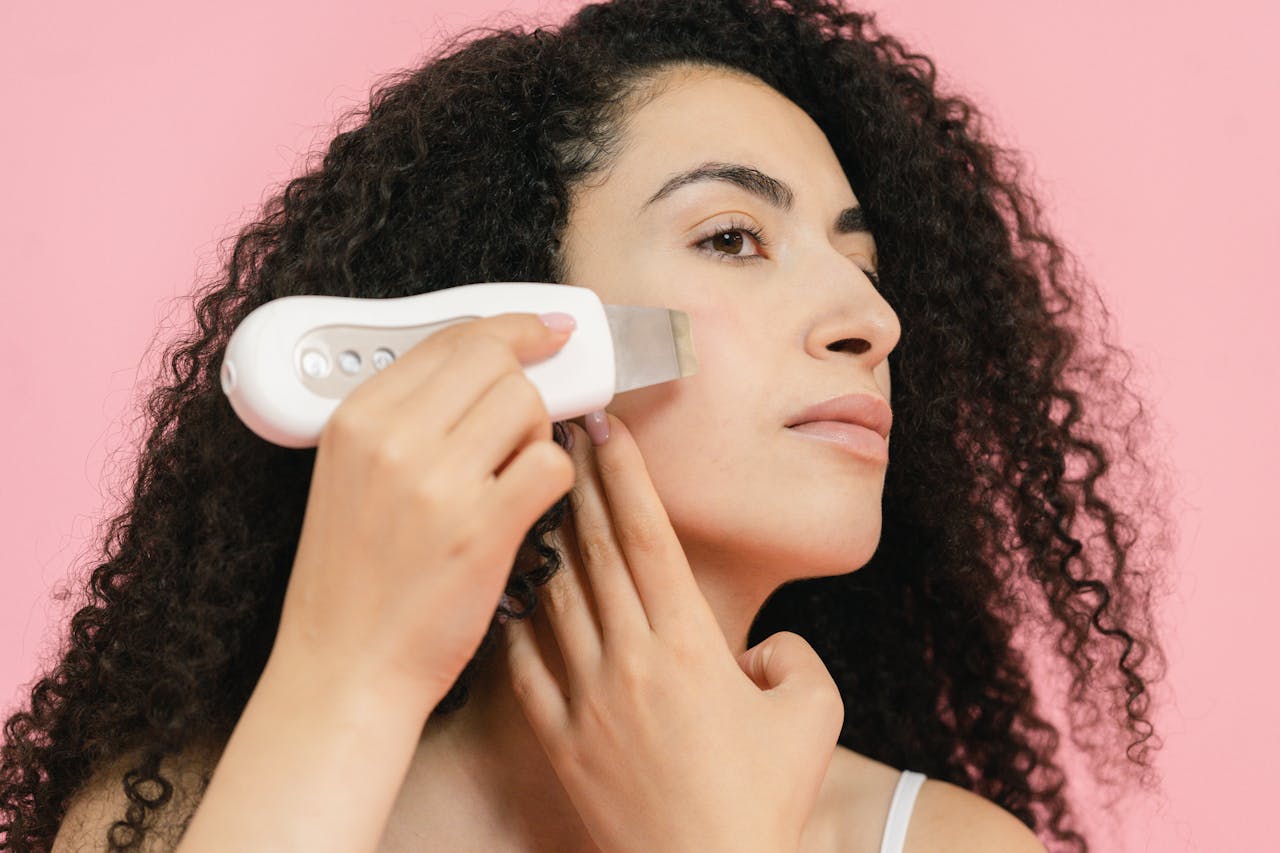
What Defines Professional Beauty Device Export?
Professional beauty device export encompasses the entire supply chain process of manufacturing, certifying, shipping, and supporting medical-grade and clinical-grade aesthetic equipment for international distribution. Unlike consumer-grade gadgets, professional beauty devices must meet stringent regulatory requirements across multiple jurisdictions, including FDA clearance in the United States, CE marking in Europe, and various national certifications in Asia and the Middle East.
The scope of professional beauty device export includes:
| Device Category | Primary Applications | Typical Price Range |
|---|---|---|
| Laser & IPL Systems | Hair removal, skin rejuvenation | $8,000 – $50,000 |
| RF (Radio Frequency) Devices | Skin tightening, body contouring | $3,000 – $25,000 |
| HIFU Equipment | Non-surgical facelift, fat reduction | $15,000 – $80,000 |
| Cryolipolysis Machines | Fat freezing, body sculpting | $12,000 – $45,000 |
| Microdermabrasion Units | Exfoliation, texture improvement | $2,000 – $15,000 |
Why Quality Certification Matters in Professional Beauty Device Export
When engaging in professional beauty device export, certification is not merely a bureaucratic hurdle—it represents a fundamental commitment to patient safety and treatment efficacy. Regulatory bodies worldwide have established rigorous testing protocols that evaluate everything from electromagnetic compatibility (EMC) to biocompatibility of materials that contact skin.
For instance, devices intended for European markets must comply with the Medical Device Regulation (MDR 2017/745), which replaced the older Medical Device Directive and introduced significantly more stringent post-market surveillance requirements. Professional beauty device export companies that maintain current CE MDR certification demonstrate their capability to navigate complex regulatory landscapes—a critical advantage for importers who lack in-house compliance expertise.
Key Markets for Professional Beauty Device Export
North American Market Dynamics
The United States remains the largest single market for professional aesthetic devices, with industry valuations exceeding $4 billion annually. However, professional beauty device export to the US market requires FDA 510(k) clearance or de novo classification for most devices. This process typically takes 6-18 months and requires substantial clinical evidence.
Canadian regulations under Health Canada’s Medical Devices Bureau follow similar but distinct pathways. Many successful professional beauty device export strategies treat the US and Canada as a unified “North American region” while maintaining separate regulatory dossiers for each jurisdiction.
European Union Opportunities
The EU’s 27 member states represent a harmonized market with centralized CE certification, making professional beauty device export to Europe highly efficient once initial certification is obtained. Key importing nations include Germany, France, the UK (post-Brexit with UKCA marking), Italy, and Spain—each with established networks of aesthetic clinics and medical spas.
Germany alone accounts for approximately 18% of European aesthetic device imports, driven by its robust dermatology sector and high per-capita spending on non-invasive cosmetic treatments.
Asia-Pacific Growth Region
The APAC region represents the fastest-growing market for professional beauty device export, with compound annual growth rates (CAGR) exceeding 12% through 2028. South Korea, Japan, Thailand, and Australia lead in adoption, while emerging markets like Vietnam, Indonesia, and the Philippines present significant untapped potential.
China’s domestic market has evolved from purely import-dependent to increasingly competitive, meaning that professional beauty device exporters targeting Asia must differentiate through technology leadership rather than price competition.
The Export Process: Step-by-Step Guide
Phase 1: Product Development & Compliance
Before any professional beauty device export can occur, manufacturers must ensure their products meet destination-market requirements. This phase typically includes:
- Regulatory Classification: Determine whether your device falls under medical device, cosmetic device, or general wellness product categories in each target market. Classification directly impacts required documentation, testing, and timeline.
- Safety Testing: Conduct electromagnetic compatibility (EMC), electrical safety (IEC 60601 series), biocompatibility (ISO 10993), and performance validation testing at accredited laboratories. Budget $20,000-$100,000+ depending on device complexity.
- Quality Management System: Implement ISO 13485-certified quality management systems covering design controls, supplier management, production process controls, and post-market surveillance.
- Clinical Evidence Generation: Compile or conduct clinical studies demonstrating safety and efficacy. For FDA submissions, this often requires randomized controlled trials or substantial equivalence comparisons to predicate devices.
Phase 2: Logistics & Documentation
Successful professional beauty device export depends on meticulous logistics planning:
- Export Licensing: Secure necessary export licenses from your country’s commerce department, particularly for technologies with dual-use potential (certain laser systems may fall under export control regimes)
- Customs Harmonization: Properly classify products under the Harmonized System (HS) codes—most professional beauty devices fall under HS 9018.90 (electro-diagnostic apparatus) or 9019.10 (massage appliances)
- Packaging Compliance: Ensure packaging meets International Safe Transit Association (ISTA) standards for fragile electronic equipment, with humidity protection and shock absorption
- Insurance Coverage: Obtain comprehensive cargo insurance covering marine, air, and inland transit risks, plus product liability coverage for destination markets
Phase 3: After-Sales Support Infrastructure
The most overlooked aspect of professional beauty device export is establishing sustainable after-sales support. Professional devices require:
- Trained service technicians available in destination countries or rapid-deployment support teams
- Spare parts inventory management with regional distribution hubs
- Software update mechanisms that comply with local data protection regulations
- User training programs adapted to language and cultural contexts
Common Challenges in Professional Beauty Device Export and Solutions
Challenge 1: Intellectual Property Protection
Counterfeit and knockoff products threaten legitimate professional beauty device export businesses by undermining brand reputation and diverting revenue.
Solution: Register patents, trademarks, and industrial designs in all target markets before export begins. Work with customs authorities in key importing countries to record your intellectual property rights (IPR), enabling border seizure of infringing shipments. Consider technology-based protections like encrypted firmware and authenticated consumables.
Challenge 2: Payment Security & Currency Risk
International transactions expose professional beauty device exporters to payment defaults and currency fluctuation risks, especially on high-value equipment orders exceeding $50,000.
Solution: Utilize Letters of Credit (L/C) confirmed by first-tier international banks. Structure payments with milestones: 30% deposit upon order confirmation, 40% upon shipment, and 30% upon installation and acceptance. Hedge currency exposure through forward contracts when dealing in volatile currencies.
Challenge 3: Service & Maintenance Across Time Zones
Professional beauty devices require regular calibration, maintenance, and occasional repair—challenges that compound across 12+ time zone differences.
Solution: Develop remote diagnostic capabilities enabling technicians to troubleshoot via secure internet connections. Establish certified partner networks in major regions who can provide on-site service within 48 hours. Create comprehensive video training libraries reducing dependency on in-person technical visits.
Case Study: Successful Professional Beauty Device Export to Southeast Asia
A mid-sized Chinese manufacturer specializing in RF microneedling equipment sought to expand into the ASEAN market through strategic professional beauty device export. Their approach included:
Market Research Phase: Commissioned localized research identifying Thailand, Malaysia, and Indonesia as priority markets based on clinic density, average treatment pricing, and competitive landscape analysis. Discovered that Indonesian buyers prioritized price-to-performance ratio while Thai clinics valued brand prestige and after-sales responsiveness.
Localization Strategy: Adapted user interfaces to support Thai, Bahasa Indonesia, Malay, and Vietnamese languages. Modified power supplies to accommodate regional voltage variations (220V vs. 230V standards). Created marketing materials featuring local models and treatment scenarios relevant to Southeast Asian skin types and beauty standards.
Partnership Model: Rather than direct sales, appointed exclusive distributors in each country with minimum purchase commitments and territory protection agreements. Provided distributor training including hands-on device operation, basic troubleshooting, and business development support.
Results Within 24 Months: Achieved 340% revenue growth from the ASEAN region, established installed base of 180+ devices, and maintained 94% customer satisfaction score on after-sales support surveys.
How to Choose the Right Professional Beauty Device Export Partner
When evaluating potential professional beauty device export suppliers or partners, assess these critical factors:
- Certification Portfolio: Verify current FDA, CE MDR, UKCA, Health Canada, CFDA (NMPA), TGA, and other relevant certifications. Request certificate copies and check issuing body databases for authenticity.
- Manufacturing Capability: Audit factory facilities either in-person or through third-party inspection services. Evaluate production capacity, quality control processes, component sourcing traceability, and R&D investment levels.
- Track Record: Request references from existing international customers in your region or similar markets. Look for demonstrated experience with your specific regulatory environment and distribution channel structure.
- Financial Stability: Review financial statements or credit reports to ensure the exporter can honor warranty obligations, supply spare parts long-term, and invest in continuous product improvement.
- Technology Roadmap: Assess commitment to innovation through patent portfolio review, R&D staff qualifications, and published product pipeline. The aesthetic technology landscape evolves rapidly—your professional beauty device export partner should demonstrate forward-thinking capabilities.
Future Trends Shaping Professional Beauty Device Export
Trend 1: AI-Powered Diagnostic Integration
Next-generation professional beauty devices are incorporating artificial intelligence for real-time skin analysis, personalized treatment parameter recommendations, and outcome prediction. Exporters who integrate AI capabilities will command premium positioning in global markets, particularly as consumers increasingly expect data-driven personalization.
Trend 2: Sustainability & Eco-Certification
Environmental consciousness is driving demand for sustainably manufactured aesthetic equipment. Expect growing importance of carbon footprint disclosure, recyclable packaging, energy efficiency ratings, and eco-label certifications in professional beauty device export qualification criteria.
Trend 3: Portable & Compact Form Factors
The post-pandemic acceleration of mobile aesthetics and pop-up treatment concepts creates opportunities for compact, portable professional devices. Professional beauty device exporters developing space-efficient designs without compromising treatment efficacy will capture this expanding segment.
Frequently Asked Questions About Professional Beauty Device Export
Q: What is the typical lead time for professional beauty device export orders? A: Standard lead times range from 4-8 weeks after order confirmation, depending on product configuration, customization requirements, and current production capacity. Custom OEM/ODM projects may require 3-6 months for initial production runs.
Q: Do I need an import license to bring professional beauty devices into my country? A: Requirements vary by jurisdiction and device classification. Medical-grade aesthetic devices typically require importer registration with the local health authority, while cosmetic-grade devices face fewer restrictions. Consult local regulations or work with an experienced customs broker familiar with medical device imports.
Q: Can professional beauty device export include training for my staff? A: Reputable exporters offer comprehensive training options ranging from online video modules to on-site technician training at your facility. Advanced partnerships may include train-the-trainer programs enabling you to certify your own staff instructors.
Q: How do I handle warranty claims for exported professional beauty devices? A: Establish clear warranty terms in your purchase agreement specifying coverage duration (typically 1-3 years for core components), excluded items (consumables, damage from misuse), claim submission procedures, and response time commitments. Most professional beauty device exporters maintain spare parts depots in major regions for efficient warranty fulfillment.
Q: What Incoterms work best for professional beauty device transactions? A: DDP (Delivered Duty Paid) transfers maximum responsibility to the seller, simplifying import logistics for buyers. FOB (Free On Board) provides balanced risk allocation and is most commonly used for containerized shipments. Choose terms based on your familiarity with import procedures and relationship depth with your export partner.
Conclusion
Professional beauty device export represents a dynamic opportunity connecting Chinese manufacturing excellence with global aesthetic industry growth. Success requires navigating regulatory complexity, building robust logistics infrastructure, investing in after-sales support capabilities, and maintaining relentless focus on quality and innovation. Whether you are a distributor seeking reliable supply sources, a clinic operator expanding treatment offerings, or an entrepreneur entering the aesthetic equipment business, understanding the fundamentals of professional beauty device export positions you to capitalize on this thriving industry’s continued expansion. The convergence of technological advancement, rising consumer demand, and globalization of beauty standards ensures that professional beauty device export will remain a compelling business opportunity for years ahead.
Tags: Professional Beauty Device Export, Aesthetic Equipment Wholesale, Medical Grade Beauty Devices, Clinical Beauty Machine Supplier, Cosmetic Laser Device Export, Professional Skin Care Equipment, Beauty Device Manufacturing Export, Aesthetic Technology Distribution, Certified Beauty Equipment, Global Beauty Device Market