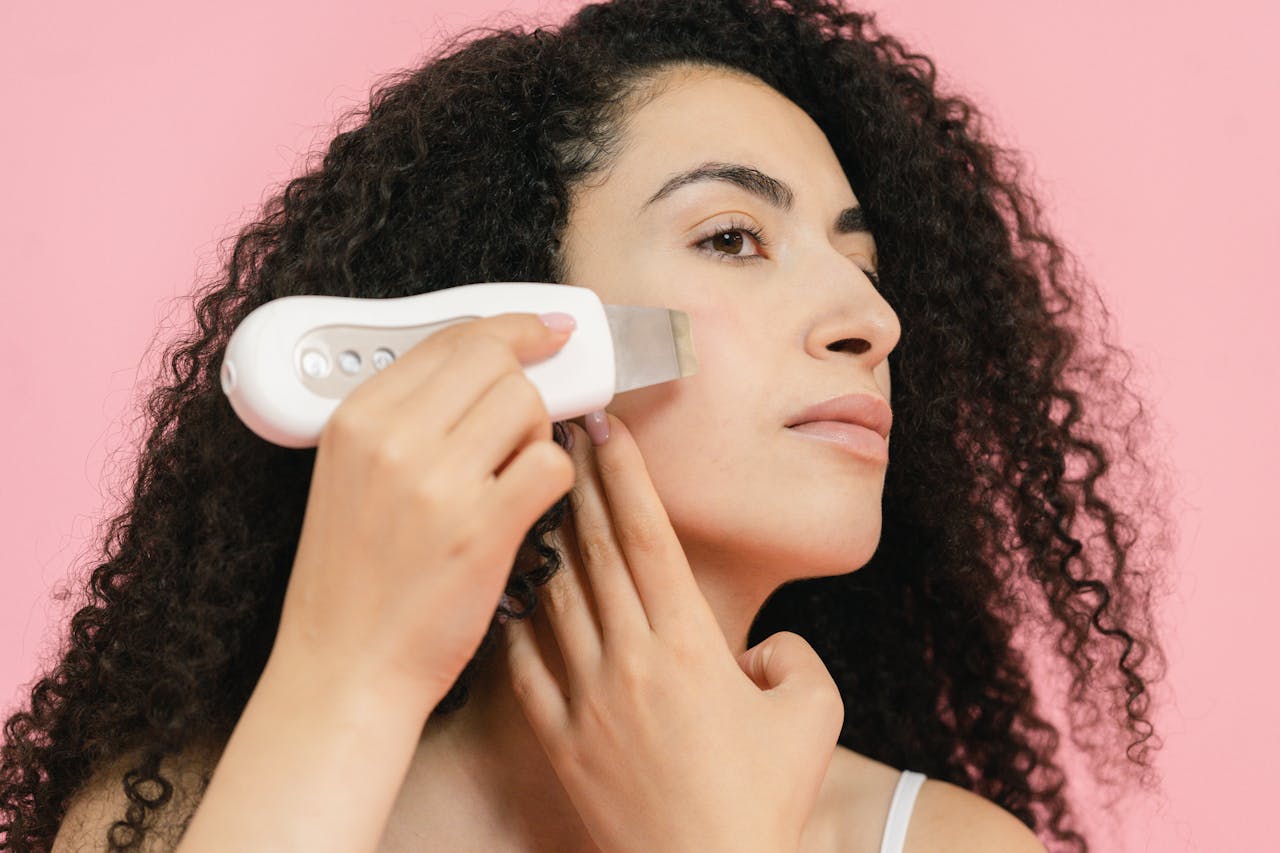
Smart Beauty Device OEM/ODM | AI-Integrated Skincare Tools for International Brands
The convergence of artificial intelligence and beauty technology represents the most significant technological shift the industry has experienced in decades, and AI-integrated skincare tools are rapidly evolving from experimental novelties into mainstream product categories that discerning consumers increasingly expect from premium beauty device brands. For international brands seeking to differentiate their product portfolios and capture premium market share, partnering with a capable smart beauty device OEM/ODM manufacturer has become a strategic imperative rather than a discretionary option. The integration of AI into beauty devices — enabling personalized treatment recommendations, real-time skin analysis, adaptive therapy delivery, and connected user experiences — is redefining what consumers expect from their skincare tools, creating both enormous commercial opportunity and significant technical challenges for brands that lack the in-house engineering capabilities to develop these sophisticated systems independently.

Smart beauty devices incorporating AI technology span a wide spectrum of complexity and capability. At the most basic level, AI integration may involve Bluetooth connectivity between the device and a smartphone app, enabling treatment tracking, basic skin health logging, and personalized push notifications. At the most advanced level, AI-powered computer vision systems analyze skin conditions through integrated cameras, machine learning algorithms process that analysis against vast dermatological datasets to generate personalized treatment protocols, and adaptive hardware systems automatically adjust energy delivery parameters in real time based on continuously monitored skin responses. Understanding this spectrum — and making informed decisions about where to invest AI development resources for maximum market impact — is essential for international brands navigating the smart beauty device landscape for the first time.
The AI Revolution in Beauty Technology
Computer Vision Skin Analysis: From Consumer Cameras to Clinical-Grade Diagnostics
The foundation of most AI-integrated skincare tools is computer vision — the branch of artificial intelligence that enables machines to interpret and analyze visual information from images and video. In the beauty context, computer vision algorithms process images of the user’s skin captured by smartphone cameras or integrated device cameras to assess skin condition across multiple dimensions including hydration levels, sebum content, pore size, wrinkle depth and distribution, pigmentation patterns, redness and inflammation indicators, and even early signs of specific dermatological conditions. The accuracy of these AI-powered skin analysis systems has improved dramatically in recent years, with leading platforms demonstrating diagnostic accuracy for common skin concerns that approaches or exceeds what experienced human estheticians can achieve through visual assessment alone.
The technical architecture of AI skin analysis for smart beauty devices typically involves several layers. At the edge device level (the smartphone or the beauty device itself), image capture is optimized using controlled lighting conditions (often using specific wavelengths of LED illumination to enhance visualization of subsurface skin features), multiple image capture angles, and sometimes polarization filters to reduce glare and improve skin feature visualization. The captured image data is then processed by an onboard or cloud-based AI model — typically a convolutional neural network (CNN) trained on large datasets of dermatologist-labeled skin images — that extracts quantitative features and generates a structured skin analysis report. For international brands working with smart beauty device OEM/ODM partners, the critical questions to evaluate include the training dataset size and diversity (which determines the AI’s accuracy across different skin tones, ages, and ethnicities), the inference speed (how quickly the analysis completes), and the clinical validation that has been performed to verify the AI’s assessment accuracy.
Machine Learning Personalization: Adaptive Treatment Protocols
Beyond skin analysis, the most commercially compelling application of AI in beauty devices is machine learning-driven personalization of treatment protocols. Traditional beauty devices operate on fixed treatment programs — the same energy delivery pattern, intensity, and duration regardless of the individual user’s specific skin condition, tolerance, or treatment history. AI-integrated devices, by contrast, learn from each treatment session, adapting their protocols based on observed user responses and accumulating data about individual skin characteristics and preferences. A user with sensitive skin who responds strongly to lower-intensity treatments, for example, would have their device’s AI system progressively optimize toward more conservative parameters over multiple sessions — achieving effective results without the irritation that a generic high-intensity protocol might cause.
This adaptive personalization capability is made possible by the intersection of AI algorithms and the rich data streams generated by modern smart beauty devices — including treatment adherence patterns, skin condition measurements at each session, subjective user feedback on comfort and perceived efficacy, and longitudinal skin health trends. The machine learning models that process these data streams are typically trained initially on population-level datasets but then personalized to individual users through techniques such as transfer learning and federated learning, where the device refines its model for a specific individual without necessarily transmitting that individual’s sensitive skin data to cloud servers. For international brands concerned about data privacy regulations — including GDPR in Europe, CCPA in California, and PIPL in China — the architectural choices around where AI processing occurs (on-device vs. cloud) and how user data is handled have significant regulatory and reputational implications that should be addressed from the earliest stages of smart beauty device OEM/ODM partnership discussions.
The Role of Smart Beauty Device OEM/ODM Partners
Engineering Capabilities and Development Roadmaps
Selecting the right smart beauty device OEM/ODM partner is the single most consequential decision an international brand will make in the development of AI-integrated skincare tools, because the technical complexity of these products requires manufacturing partners with genuinely deep engineering capabilities that extend far beyond traditional beauty device manufacturing. A capable smart beauty device OEM/ODM partner must be able to integrate multiple technology domains — including mechanical engineering (device housings, thermal management, ergonomic design), electrical engineering (power systems, motor drivers, RF generators, LED drivers), firmware engineering (real-time control systems, sensor processing, connectivity protocols), software engineering (mobile apps, cloud infrastructure, AI/ML model deployment), and UX/product design (user interface, treatment guidance, engagement systems) — within a single cohesive product.
The most advanced smart beauty device OEM/ODM manufacturers have invested heavily in building dedicated AI and software engineering teams that operate alongside their traditional hardware engineering groups, recognizing that the integration of AI capabilities fundamentally changes the product development process. When evaluating prospective OEM/ODM partners for AI-integrated skincare tools, brands should assess the partner’s AI/ML capabilities directly — examining the size and background of their software engineering team, the existing AI technology assets they have developed (including trained models, datasets, and inference engines), their experience deploying AI systems in consumer or medical products, and their approach to ongoing AI model improvement and updates after product launch. A partner who has merely bolted on third-party AI components without deep in-house expertise will struggle to deliver differentiated, continuously improving smart beauty device experiences that justify premium pricing.
Quality Systems and Compliance Infrastructure for Connected Devices
Connected smart beauty devices — those that transmit user data to cloud services, integrate with mobile apps, or receive OTA (over-the-air) firmware updates — impose additional quality system and regulatory compliance requirements that go beyond those for standalone beauty devices. The ISO 9001 and ISO 13485 quality management standards provide a framework, but smart beauty device OEM/ODM partners must also demonstrate competency in areas including cybersecurity risk management (per ISO 27001 or the FDA’s premarket cybersecurity guidance for software-enabled devices), software development lifecycle management (per IEC 62304 for medical device software), and data protection compliance (per GDPR, CCPA, and other applicable privacy regulations).
For international brands distributing AI-integrated skincare tools across multiple markets, the regulatory complexity is multiplicative — each additional market adds its own cybersecurity certification requirements, data localization rules, product registration procedures, and software distribution regulations. The EU’s Cyber Resilience Act (CRA), which imposes mandatory cybersecurity requirements for products with digital elements sold in the EU, represents a particularly significant upcoming compliance obligation for smart beauty device manufacturers and brands. Quality smart beauty device OEM/ODM partners have already begun building compliance infrastructure for CRA and comparable emerging regulations, and they can guide international brands through the process of ensuring their connected devices meet these requirements before market entry.
Product Architecture and Feature Differentiation
Multi-Modal Sensing: The Foundation of Intelligent Beauty Devices
The intelligence of AI-integrated skincare tools is fundamentally grounded in data — and the richness of that data depends on the quality and diversity of sensors embedded within the device. Modern smart beauty devices incorporate an expanding array of sensing modalities that collectively provide a comprehensive picture of skin condition and treatment context. Temperature sensors embedded in treatment heads monitor skin surface temperature in real time, preventing overheating and enabling closed-loop thermal regulation of RF, LED, and other energy-based treatments. Electrical impedance sensors measure skin conductivity (which correlates with hydration levels and sebum content), enabling AI algorithms to adjust treatment parameters based on real-time skin condition assessments. Force sensors detect the pressure with which the user applies the device to their skin, providing feedback that prevents both excessive pressure (which can cause trauma) and insufficient pressure (which reduces treatment efficacy).
The integration of multiple sensing modalities creates possibilities for AI-driven treatment optimization that are simply impossible with single-sensor devices. A smart beauty device with combined temperature, impedance, and force sensors can develop a comprehensive model of each individual user’s skin response pattern and adapt its treatment delivery in real time to optimize results — increasing intensity when sensors indicate the skin can tolerate more energy, reducing intensity when the skin shows stress indicators, and providing haptic feedback to guide the user toward optimal treatment technique. For international brands seeking to differentiate their AI-integrated skincare tools from competitors, the sensor suite — its quality, diversity, and the sophistication of the AI algorithms that interpret its data — represents the core of the product’s intelligent differentiation.
App Ecosystems and Connected User Experiences
The mobile application that accompanies AI-integrated skincare tools is not merely a remote control or a nice-to-have feature — it is increasingly the primary interface through which users interact with the device’s most sophisticated capabilities. A well-designed companion app transforms a smart beauty device from a standalone treatment tool into a comprehensive skincare management platform that tracks treatment history, provides personalized insights, delivers educational content, and creates the ongoing engagement hooks that drive treatment compliance and long-term brand loyalty. For international brands, the app is also a powerful data collection and customer relationship management tool that can inform product development, marketing strategy, and customer service optimization.
The architecture and development complexity of a quality companion app for AI-integrated skincare tools is frequently underestimated. The app must maintain reliable Bluetooth or Wi-Fi connectivity with the device across a wide range of smartphone models and OS versions, implement robust data synchronization between the device, the app, and cloud servers, deliver smooth and engaging user experiences across iOS and Android platforms with regular feature updates and security patches, and comply with app store guidelines that are increasingly scrutinizing health and wellness applications for privacy compliance and content appropriateness. The smart beauty device OEM/ODM partner’s software development capabilities — including their track record with consumer app development, their UI/UX design process, and their approach to ongoing app maintenance and updates — should be evaluated with the same rigor as their hardware engineering capabilities.
Strategic Considerations for International Brands
Market Selection and Prioritization for AI Beauty Device Launch
International brands entering the AI-integrated skincare tools category must make strategic decisions about which markets to prioritize for initial launch, balancing market size, competitive intensity, regulatory accessibility, and the brand’s existing market presence. The United States remains the largest beauty technology market and offers significant advantages including high consumer receptivity to premium beauty tech products, established retail channels (both physical and e-commerce) for premium beauty devices, and clear regulatory pathways for connected wellness devices. However, US market entry requires navigating FDA regulatory considerations, FCC compliance for connected devices, and competitive dynamics shaped by established domestic and international brands with significant marketing resources.
The European Union offers access to a combined market of 450 million consumers and provides a harmonized regulatory framework under MDR and RED (Radio Equipment Directive) for connected devices — though the Cyber Resilience Act adds new compliance dimensions. China represents an enormous addressable market with growing consumer appetite for premium beauty technology, but poses challenges including data localization requirements (mandating that user data generated in China be stored on Chinese servers), unique regulatory classification for AI-powered beauty devices, and competition from well-funded domestic brands. Other markets — including Japan, South Korea, Australia, and Brazil — each have distinct regulatory requirements and consumer preferences that should be evaluated as part of a comprehensive market prioritization analysis before committing development resources to specific regulatory compliance efforts.
Pricing Strategy and Total Value Proposition for AI Beauty Devices
AI-integrated skincare tools command premium pricing in the beauty device market — retail prices for sophisticated AI-enabled devices frequently exceed those of equivalent non-connected devices by 50% to 200% — but the justification for this premium must be clearly communicated to consumers through compelling value propositions that go beyond mere technology novelty. Consumers evaluate premium AI-integrated skincare tools through multiple lenses: the tangible efficacy benefit they can expect from personalized, adaptive treatments; the convenience and guidance provided by AI-powered treatment coaching; the long-term skin health insights generated by the device’s longitudinal tracking capabilities; and the emotional and aspirational value of owning a cutting-edge technology product that reflects their identity as a sophisticated, tech-forward skincare consumer.
For international brands developing pricing strategies for smart beauty device OEM/ODM products, understanding the total cost of ownership is critical. The initial device cost represents only one component — ongoing costs including app development and maintenance, AI model hosting and improvement, cloud infrastructure, regulatory compliance for connected devices, customer support, and potential firmware update obligations must all be factored into the long-term unit economics. A smart beauty device that is initially priced competitively but whose supporting infrastructure cannot be sustained by the product’s margins will ultimately fail to deliver on its promises, damaging brand reputation and customer trust. Building financially sustainable AI-integrated skincare tools requires integrated business planning that treats the device hardware, software platform, and service components as a unified product system with coordinated economics.
Frequently Asked Questions About Smart Beauty Device OEM/ODM
Q: What is the minimum order quantity for AI-integrated smart beauty devices from an OEM/ODM partner? A: MOQs for smart beauty device OEM/ODM products are substantially higher than for conventional beauty devices due to the additional complexity of AI component integration, app development, and cloud infrastructure support. Standard MOQ ranges for AI-integrated skincare tools typically start at 2,000 to 5,000 units for products leveraging existing platform architectures with cosmetic customization only. Full custom development — including bespoke AI models trained on brand-specific data, custom hardware configurations, and dedicated app development — generally requires MOQs of 5,000 to 10,000 units or more to justify the substantial NRE investments involved. Some smart beauty device OEM/ODM partners offer lower entry-point MOQs through “AI-ready” platforms that allow brands to add their branding and custom AI training without full custom hardware development, potentially reducing initial commitment while still enabling meaningful differentiation.
Q: How long does it take to develop and launch an AI-integrated beauty device? A: Development timelines for AI-integrated skincare tools through an OEM/ODM partnership are significantly longer than for conventional beauty devices due to the complexity of AI development, app development, and the integration testing required across hardware, firmware, and software components. A project leveraging an existing smart beauty device platform with custom branding and basic AI personalization (using pre-trained models) typically requires 9 to 12 months from specification finalization to first commercial shipment. A project involving custom AI model development, novel sensor integration, and a fully bespoke app ecosystem can require 15 to 24 months or more. The smart beauty device OEM/ODM partner’s track record with AI integration projects — including their existing technology assets, their development process maturity, and their project management capabilities — is the primary variable affecting timeline outcomes. Brands should build realistic schedules that account for regulatory approval timelines in target markets (which can add 3 to 12 months depending on jurisdiction and product classification).
Q: What data privacy and security considerations apply to AI-integrated beauty devices? A: Data privacy is among the most critical considerations for international brands developing AI-integrated skincare tools, given the personal nature of skin data, the sensitivity of biometric information, and the stringent privacy regulations enforced across major markets. Key principles that should guide data architecture decisions include data minimization (collecting only the minimum personal data necessary for the product’s functionality), purpose limitation (using collected data only for the purposes disclosed to the user), user control and transparency (providing users with clear information about what data is collected and how it is used, with meaningful opt-out mechanisms), and security by design (implementing encryption, access controls, and secure development practices from the earliest stages of product development). The EU GDPR imposes specific requirements including lawful basis for processing, data subject rights (access, rectification, erasure, portability), data protection impact assessments, and in some cases mandatory data protection officer designation. Similar requirements exist under CCPA/CPRA in California, PIPL in China, and LGPD in Brazil. Smart beauty device OEM/ODM partners should have documented data governance frameworks and privacy-by-design development processes to support brand compliance in all target markets.
Q: How does AI model maintenance and improvement work after a smart beauty device is launched? A: The launch of an AI-integrated skincare tool is not the end of AI development — it is the beginning of an ongoing program of model monitoring, evaluation, and improvement that must be planned for and budgeted as a continuous investment. After launch, the AI models should be continuously monitored for performance drift — situations where the model’s predictions or recommendations degrade in accuracy as the real-world data distribution shifts from the training dataset conditions. User feedback loops — where users confirm or reject AI-generated skin assessments or treatment recommendations — provide essential ground truth data for model refinement. Periodic model retraining using accumulated real-world data (with appropriate privacy protections and user consent) can improve model accuracy and personalization over time. The smart beauty device OEM/ODM partner’s commitment to post-launch AI model support — including the technical infrastructure for model updates, the process for deploying OTA model updates to the field, and the associated costs — should be negotiated and documented as part of the original development agreement.
Q: Can smaller or emerging beauty brands access AI-integrated beauty device development? A: Yes, the democratization of AI technology is creating entry points for smaller and emerging beauty brands that previously would have found the development investment prohibitive. Several smart beauty device OEM/ODM manufacturers now offer AI-ready platforms that provide pre-built AI skin analysis models, existing app ecosystems, and cloud infrastructure that brands can access through white-label or private label arrangements — dramatically reducing the upfront development investment and technical expertise required. Additionally, the emergence of edge AI chips and pre-trained model architectures has reduced the cost and complexity of embedding meaningful AI capabilities into consumer devices. While full bespoke AI-integrated skincare tools development may remain out of reach for smaller brands, AI-enabled product lines are increasingly accessible through modular OEM/ODM platform approaches that enable meaningful differentiation without requiring Silicon Valley engineering budgets.
Tags: smart beauty device OEM/ODM, AI-integrated skincare tools, intelligent beauty devices, smart beauty technology, international beauty brands, AI skincare platform, connected beauty devices, OEM beauty technology, smart beauty device manufacturing, AI-powered skincare tools
Keywords: smart beauty device OEM/ODM, AI-integrated skincare tools, intelligent beauty devices, smart beauty technology, international beauty brands, AI skincare platform, connected beauty devices, smart beauty manufacturing, AI-powered skincare devices, beauty device AI development, intelligent beauty technology, skincare AI solutions, smart beauty device OEM, AI skin analysis devices, beauty IoT technology