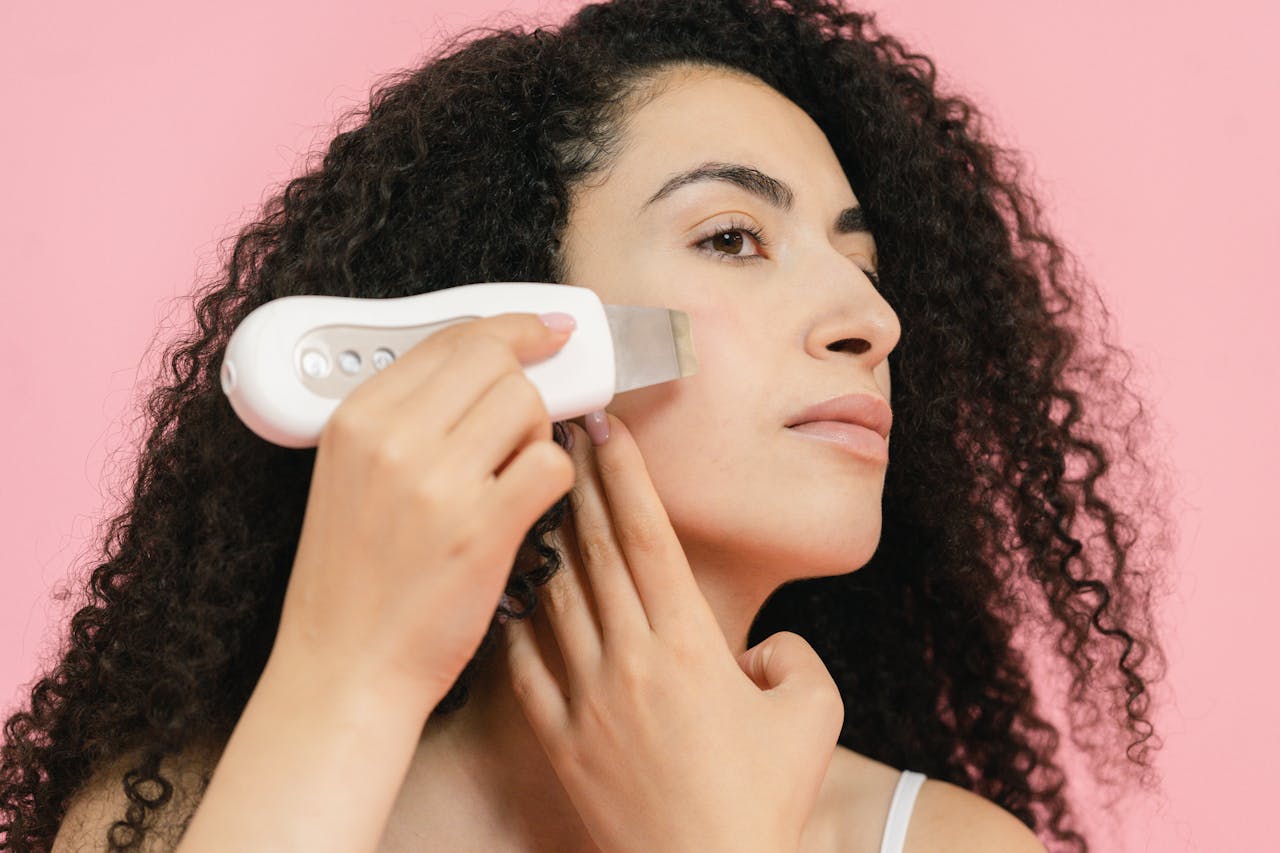
Wholesale Microcurrent Facial Toning Devices | Smart Skin Tech Solutions for Global Buyers
Microcurrent facial toning technology represents one of the most scientifically fascinating and commercially compelling categories within the professional beauty device industry, making Wholesale Microcurrent Facial Toning Devices a strategic priority for global buyers seeking to offer their customers effective non-invasive anti-aging solutions with proven clinical foundations. Often described as “non-surgical facelifts” or “yoga for your face,” microcurrent devices deliver extremely low-level electrical currents that work in harmony with the body’s own bioelectrical signals to lift, tone, and rejuvenate facial muscles while simultaneously stimulating cellular regeneration at the deepest levels. For distributors, importers, and retailers serving the booming aesthetics market across North America, Europe, Asia-Pacific, and beyond, understanding this sophisticated smart skin tech category enables informed procurement decisions, effective customer education, and sustainable business growth built on genuinely effective products.

The Science of Microcurrent Facial Toning: Understanding What Makes These Devices Work
Before diving into sourcing strategies and product comparisons, global buyers must develop thorough understanding of how Wholesale Microcurrent Facial Toning Devices achieve their remarkable effects. This knowledge forms the foundation for every downstream decision—from supplier selection through marketing execution to customer support.
Fundamental Principles of Microcurrent Therapy
Microcurrent technology falls within the broader category of electrotherapy but operates at vastly different parameters than more familiar modalities like TENS (Transcutaneous Electrical Nerve Stimulation) or EMS (Electrical Muscle Stimulation). The critical distinction lies in current intensity: microcurrent delivers electrical output measured in microamperes (µA)—millionths of an ampere—while other electrotherapies operate in milliampere ranges (thousandths of an ampere), representing 1,000x or greater intensity difference.
Why Such Tiny Currents Produce Significant Effects:
The human body generates its own endogenous bioelectrical signals controlling virtually every physiological process—nerve impulses driving muscle contraction, cellular membrane potentials regulating nutrient transport, and intricate electrical fields guiding tissue repair and regeneration. Wholesale Microcurrent Facial Toning Devices emit currents closely mimicking these natural bioelectrical patterns (typically ranging from 200 to 500 microamperes), enabling interaction with biological systems at the sub-threshold level where therapeutic effects occur without triggering pain receptors or causing muscle spasms.
Think of it this way: EMS devices shout commands at your muscles; microcurrent devices whisper suggestions that muscles naturally choose to follow.
Mechanism 1: Facial Muscle Re-Education and Toning
Over decades of life, repetitive expression patterns (frowning, squinting, smiling asymmetrically), gravitational forces, and natural aging processes cause facial muscles to weaken, elongate, and lose tone. Some muscles become dominant and overdeveloped (creating deepened expression lines), while opposing muscles atrophy and fail to provide adequate lifting counter-force.
How Microcurrent Addresses Muscle Imbalance:
- Weak muscle stimulation: Gentle electrical impulses reach motor neurons triggering controlled muscle contractions that strengthen atrophied muscles without bulk-building. Unlike bodybuilding, facial toning aims for refined definition, not increased mass.
- Overactive muscle calming: Specific waveform configurations can actually reduce excessive muscle tension by interfering with spasm patterns and promoting relaxation in hypertonic muscles.
- Re-patterning neuromuscular pathways: Consistent treatment retrains brain-muscle communication, establishing new movement patterns supporting lifted, symmetrical facial posture rather than habitual sagging positions.
- Edema reduction: Microcurrent’s effect on lymphatic circulation reduces fluid accumulation in facial tissues, immediately decreasing puffiness while long-term treatment improves lymphatic vessel efficiency.
Visible Results Timeline: Most users observe initial improvements in facial contour and reduced puffiness after 4-6 sessions. Progressive enhancement continues over 8-12 weeks as muscle re-education consolidates. Maintenance treatments (typically once every 2-4 weeks) preserve results.
Mechanism 2: Cellular ATP Production Enhancement
Perhaps the most remarkable effect of properly engineered microcurrent devices involves dramatic increases in adenosine triphosphate (ATP)—the universal energy molecule powering all cellular functions.
The Research Foundation: Seminal research conducted by Dr. Ngok Cheng (published in Clinical Trial Journal, 1982) demonstrated that microcurrent exposure of 50-500 microamperes increased ATP production by approximately 500% in treated tissues. This finding has been replicated and expanded by numerous subsequent studies establishing ATP enhancement as one of microcurrent therapy’s primary mechanisms.
Why ATP Matters for Skin Health: Elevated ATP levels accelerate virtually every cellular process relevant to skin appearance and health:
- Protein synthesis acceleration: Collagen and elastin production (requiring substantial energy) increases substantially
- Cell membrane function improvement: Enhanced ion pump activity optimizes cellular hydration and nutrient exchange
- Wound healing speed-up: Fibroblast migration and proliferation rates increase
- Detoxification enhancement: Lymphatic clearance of metabolic waste improves with available energy
For smart skin tech buyers, ATP-enhancement claims represent powerful marketing messaging grounded in legitimate science—but only when sourced from manufacturers whose devices genuinely produce therapeutically effective waveforms at appropriate intensities.
Mechanism 3: Enhanced Blood Circulation and Nutrient Delivery
Even at microampere levels, gentle electrical stimulation produces measurable effects on local blood flow:
Vasodilation Effect: The subtle warmth and tingling sensation users experience during treatment reflects mild vasodilation—expansion of blood vessels increasing blood flow to treated areas. Enhanced circulation delivers fresh oxygen and nutrients while removing carbon dioxide and metabolic waste products more efficiently.
Electrophoretic Effect on Topical Products: When microcurrent devices are used in conjunction with conductive gels, serums, or treatment solutions containing active ingredients, the electrical field creates electrophoretic forces driving charged molecules deeper into tissue than topical application alone achieves. Studies suggest penetration depth improvements of 200-400% for appropriately formulated conductive mediums.
This synergistic effect creates significant opportunity for global buyers to bundle device sales with compatible consumable products (conductive gels, peptide-infused serums, hyaluronic acid gels) generating recurring revenue while enhancing treatment outcomes—a win-win for both seller and end-user.
Product Category Analysis: Types of Wholesale Microcurrent Facial Toning Devices
The microcurrent devices market spans diverse form factors, feature sets, and price points. Understanding each category helps global buyers construct balanced product portfolios matching varied customer needs and budgets.
Category 1: Professional Clinical Systems ($3,000-$25,000+)
Designed for med-spas, dermatology practices, plastic surgery clinics, and high-end day spas offering premium facial services, professional microcurrent devices represent the highest quality tier delivering maximum efficacy and versatility.
Defining Characteristics of Professional Grade:
| Feature | Standard Professional | Premium/Medical |
|---|---|---|
| Current Output Range | 0-400 µA adjustable | 0-800+ µA with precision control |
| Waveform Options | Square wave primary; sine optional | Multiple programmable waveforms (square, sine, sawtooth, pulsed) |
| Treatment Protocols | 5-10 preset programs | 20+ customizable protocols + user-programmable options |
| Probe/Electrode Configurations | 2-4 interchangeable probes/wands | 6-10 specialized applicators for specific areas |
| Conductivity Sensing | Basic contact detection | Real-time impedance monitoring with auto-adjustment |
| Display Interface | LCD screen with button navigation | Full-color touchscreen with graphical interface |
| Data Tracking | Session count/timer only | Comprehensive client history, progress photos, outcome metrics |
| Build Quality | ABS plastic, adequate durability | Medical-grade materials, reinforced connections, serviceable design |
| Warranty Period | 1-2 years standard | 3-5 years with parts coverage |
Clinical Applications for Professional Units:
- Non-surgical facial lifting and contouring
- Pre- and post-surgical preparation and recovery support
- Bell’s palsy rehabilitation (with medical supervision)
- Acupuncture point stimulation integration
- Scar tissue softening and appearance improvement
- TMJ (temporomandibular joint) disorder symptom relief
- Edema/lymphatic drainage facilitation
Procurement Guidance for Global Buyers: Professional systems require higher per-unit investment but command significantly stronger margins (50-80% gross margin typical) and position sellers as premium suppliers within their markets. Target customers include established aesthetic practices with existing client bases willing to invest in advanced capabilities.
Category 2: Mid-Range Desktop/Home-Professional Hybrid Devices ($150-$600)
This rapidly growing category bridges the gap between expensive clinical equipment and basic consumer gadgets, offering genuine microcurrent effectiveness in accessible formats for beauty professionals, serious skincare enthusiasts, and emerging home-use markets.
Product Configuration Spectrum:
Basic Mid-Range Models ($150-300 retail / $45-90 FOB):
- Single or dual waveform capability
- 5-10 intensity levels
- Fixed-duration timer programs
- LCD display showing mode/intensity/time
- 2-4 treatment heads included (various sizes)
- Rechargeable battery operation (4-6 hour runtime)
- Conductive gel required for use
- Target: Entry-level professional users, quality-conscious consumers
Advanced Mid-Range Models ($350-600 retail / $100-180 FOB):
- Multi-waveform options (square, pulse, variable)
- 15-30 intensity settings with fine adjustment
- Programmable custom protocols
- Touchscreen or high-resolution LCD display
- 4-6 treatment head options including specialized eye/lip wands
- App connectivity for tracking and guided routines
- Premium build quality with metallic accents
- Extended battery life (8+ hours)
- Travel case and accessory kit included
- Target: Discerning consumers, small salon owners, e-commerce premium segment
Why This Category Dominates E-Commerce Sales: Mid-range microcurrent devices hit the “sweet spot” balancing perceived value, actual efficacy, accessible pricing, and gift-giving appeal. They generate strong attachment rates (28% of orders add accessories), reasonable return rates (7-10%), and healthy repeat purchase cycles (upgrades, replacement units, consumable reorders).
Category 3: Budget/Entry-Level Consumer Devices ($40-130)
Entry-level Wholesale Microcurrent Facial Toning Devices serve price-sensitive market segments, impulse purchase occasions, and introductory trial scenarios bringing new consumers into the microcurrent ecosystem.
Characteristics of Entry-Level Segment:
| Aspect | Typical Specification | Quality Considerations |
|---|---|---|
| Output Current | 50-200 µA (often unverified) | Verify with independent testing if possible |
| Waveform | Single fixed waveform (usually square) | Adequate for basic toning; limits versatility |
| Intensity Levels | 3-5 discrete settings | Fewer levels = less customization |
| Display Interface | LED indicators or basic single-line LCD | Functional but limited information |
| Power Source | AAA batteries common; some USB-rechargeable | Battery operation = lower manufacturing cost |
| Treatment Heads | 1-2 basic probes | May limit treatment area flexibility |
| Build Quality | Lightweight ABS plastic | Acceptable for light home use |
| FOB Price | $12-35 | Margin potential good (65-85%) |
| Retail Price | $49-129 | Price-driven purchasing decision |
Strategic Role in Portfolio: While individual unit profit is modest compared to premium categories, entry-level microcurrent devices play important strategic roles:
- Acquisition tools: Low price barrier introduces customers to brand and technology category
- Volume drivers: High turnover velocity improves cash flow and supplier negotiating leverage
- Add-on/impulse items: Strong checkout attachment characteristics increase average order value
- Gift market capture: Accessible price points suit holiday and occasion-based gifting behavior
- Market share building: Broad distribution establishes brand presence across multiple channels
Supplier Evaluation Guide for Microcurrent Device Global Buyers
The microcurrent devices manufacturing landscape contains significant quality variation—from companies producing clinically-validated instruments backed by published research to operations assembling minimal-viability products exploiting consumer confusion about the technology. Global buyers must apply rigorous evaluation frameworks protecting their investments and reputations.
Technical Due Diligence: Verifying Microcurrent Performance Claims
Critical Parameter 1: Output Current Accuracy
The defining characteristic of any microcurrent device is its ability to deliver specified current levels consistently and accurately. Unfortunately, many inexpensive devices fail to meet claimed specifications—some dramatically so.
Verification Methods:
- Request manufacturer’s calibration certificates from traceable measurement standards
- Commission third-party testing using calibrated microammeter measuring actual output at each intensity setting
- Compare claimed versus measured values across full operating range
- Acceptable tolerance: ±10% of claimed output; reject devices exceeding ±25% deviation
Why Accuracy Matters Therapeutically: Research establishing optimal treatment protocols used specific current levels. A device delivering half the claimed intensity produces proportionally diminished—or entirely absent—therapeutic effects despite appearing to function normally during operation. Customers experiencing no results blame the technology category itself, damaging future sales potential for legitimate products.
Critical Parameter 2: Waveform Quality
Beyond simple current magnitude, the shape of the electrical waveform influences biological response. Different waveform types interact differently with neural tissue, muscle fibers, and cellular membranes:
| Waveform Type | Shape Description | Primary Application | Manufacturing Complexity |
|---|---|---|---|
| Square Wave | Instant on/off transitions | General toning, muscle re-education | Simplest to produce reliably |
| Sine Wave | Smooth sinusoidal oscillation | Gentle stimulation, sensitive areas | Moderate complexity |
| Pulsed/Pulse Train | Burst pattern with rest intervals | Deep tissue, recovery applications | Higher complexity |
| Sawtooth | Ramp up, instant drop | Specialized applications | Moderate complexity |
| Variable/Programmable | User-customizable patterns | Advanced professional use | Highest complexity |
Budget devices typically offer only basic square waves—which remain therapeutically effective for fundamental toning applications. However, global buyers serving professional markets should verify waveform variety and accuracy for premium-positioned products.
Critical Parameter 3: Safety Systems and Protections
Microcurrent devices, while generally safe when properly designed and operated, present risks if safety systems are inadequate or absent:
Mandatory Safety Features Checklist:
- [ ] Maximum current limiting circuitry preventing output exceeding safe thresholds regardless of setting
- [ ] Automatic shutoff after predetermined session duration (preventing over-treatment)
- [ ] Contact sensing requiring proper skin/electrode connection before activation
- [ ] Open-circuit detection stopping output if probe loses contact with skin/conductive medium
- [ ] Short-circuit protection preventing damage from probe-to-probe contact
- [ ] Battery over-discharge protection for cordless units
- [ ] Clear warning labels regarding contraindications (pacemakers, epilepsy, pregnancy, metal implants near face)
Request detailed technical documentation describing implemented safety systems. Manufacturers unable or unwilling to provide comprehensive safety information should be viewed with extreme caution.
Manufacturing Quality Assessment Framework
Facility Evaluation Criteria (for video tours or in-person visits):
| Assessment Dimension | Indicators of Quality | Warning Signs |
|---|---|---|
| Assembly Environment | Clean, organized, climate-controlled workspace; ESD protection visible | Cluttered floors, dust accumulation, chaotic organization |
| Workforce Competency | Operators following written procedures; adequate training evident; consistent practices | Inconsistent techniques, apparent lack of training documentation |
| Testing Infrastructure | Calibration stickers on test equipment; QC stations between assembly stages; data logging systems | Minimal or absent testing equipment; no calibration evidence |
| Component Storage | Proper packaging, organized bins, FIFO rotation visible | Components exposed, mixed together haphazardly |
| Traceability Systems | Serial number assignment, batch recording, lot tracking apparent | No visible traceability; inability to locate specific production records |
| Management Commitment | ISO certification displayed, continuous improvement indicators, investment in facilities/equipment | No quality system evidence, resistance to process discussions |
Component Quality Verification: For significant purchases, request permission to open sample units or obtain detailed internal photographs:
- PCB board quality: component density, solder joint appearance (smooth shiny joints preferred), conformal coating presence
- Wire gauge adequacy relative to current requirements (thin wires = voltage drop and heat issues)
- Connector quality: gold-plated contacts preferred over base metal; name-brand connectors (Molex, JST, etc.) indicate quality consciousness
- Probe construction quality: electrode material (conductivity matters), strain relief at cable entry point, ergonomic feel
- Power management: name-brand power ICs (TI, Linear Technology, Maxim) vs. unmarked generic alternatives
- Housing material quality: wall thickness consistency, seam line quality, surface finish uniformity
Market-Specific Strategies for Microcurrent Device Distribution
Different geographic markets exhibit distinct preferences, regulatory environments, and competitive dynamics affecting optimal approaches for Wholesale Microcurrent Facial Toning Devices distribution success.
North American Market Strategy
Market Characteristics:
- Large addressable consumer base with high disposable income segments
- Strong influencer culture driving product awareness through social media
- Established acceptance of beauty device categories; relatively educated consumers
- FDA regulatory framework requires careful compliance positioning
- Highly competitive marketplace with numerous domestic and imported brands
- Amazon dominates e-commerce; specialty beauty retailers (Sephora, Ulta) significant channels
Recommended Approach:
- Position products emphasizing clinical credibility and scientific backing
- Invest heavily in content marketing (blog articles, YouTube reviews, educational videos)
- Develop relationships with aesthetic influencers in skincare niche (micro-influencers often deliver better ROI than celebrities)
- Ensure FCC compliance for electronic devices; consider both consumer and professional positioning depending on channel strategy
- Competitive pricing essential—North American shoppers aggressively compare prices across platforms
- Offer strong warranty terms and responsive customer service differentiating from low-cost competitors
European Market Strategy
Market Characteristics:
- Diverse regulatory environment (CE marking mandatory; MDR considerations for medical claims)
- Strong preference for quality and sustainability over lowest price
- Growing direct-to-consumer e-commerce complementing traditional retail
- Language localization essential (German, French, Spanish minimum; more preferred)
- Privacy regulations (GDPR) affect data collection for connected/smart devices
- Cross-border e-commerce within EU simplified by single market structure
Recommended Approach:
- Emphasize European certifications prominently in marketing materials
- Highlight environmental credentials (recyclable packaging, energy efficiency, sustainable manufacturing)
- Localize websites, product manuals, and customer communications thoroughly
- Partner with established European distributors possessing existing retailer relationships
- Price positioning toward mid-premium reflecting quality expectations; avoid race-to-bottom competition
- Attend regional trade shows (Cosmoprof Bologna, Beauty Düsseldorf, IECSC Paris)
Asia-Pacific Market Strategy
Market Characteristics:
- Rapidly growing middle class with increasing beauty spending across China, Southeast Asia, India
- South Korea and Japan represent sophisticated early-adopter markets with high device penetration
- China’s cross-border e-commerce (Tmall Global, JD Worldwide) provides import pathway for foreign brands
- K-beauty trend influence strong across region favoring Korean-manufactured products
- Mobile-first commerce dominant; social commerce (WeChat, LINE, Kakao) crucial
- Wide quality perception variation—premium brands coexist alongside extremely budget options
Recommended Approach:
- Consider Korea-sourced products for APAC markets leveraging K-beauty perception advantage
- Prioritize mobile-optimized e-commerce presence and social commerce integrations
- Develop localized content featuring regional influencers and beauty experts
- Understand import regulations varying significantly by country (China NMPA, Japan PMDA, etc.)
- Offer compact/portable designs suiting smaller living spaces common in urban APAC markets
- Payment method localization critical (Alipay, WeChat Pay, GrabPay, etc.)
Middle East & GCC Market Strategy
Market Characteristics:
- Affluent consumer base with high willingness to spend on premium beauty products
- Strong demand for skin whitening/brightening and anti-aging treatments
- Social norms may influence product photography and marketing imagery choices
- Luxury positioning well-received; discount-oriented approaches less effective
- Import-heavy market with strong distributor networks controlling retail access
- Seasonal patterns tied to Ramadan, Eid, and shopping festivals
Recommended Approach:
- Position products in premium/luxury tier emphasizing quality and exclusivity
- Partner with established regional distributors having retail relationships
- Include Arabic language materials and consider Halal-certified consumables where applicable
- Adapt marketing visuals respecting cultural sensitivities while maintaining aspirational appeal
- Plan inventory around Ramadan period (significant gifting season); stock adequately beforehand
- After-sales service particularly important in relationship-driven Middle Eastern business cultures
Frequently Asked Questions About Wholesale Microcurrent Facial Toning Devices
Q1: How do I verify that microcurrent devices actually deliver claimed current output?
Verification requires either:
- In-house testing: Purchase calibrated microammeter (multimeter with µA range) and measure output directly from device electrodes during operation at various intensity settings. Document readings against manufacturer specifications.
- Third-party laboratory testing: Commission accredited lab (SGS, Intertek, TÜV) to perform electrical safety and performance testing providing certified report. Cost typically $300-$1,000 per model.
- Manufacturer documentation: Request calibration certificates, internal test reports, or third-party validation documents from supplier. Legitimate manufacturers maintain such records; reluctance to provide suggests problems.
Acceptable tolerance is ±10% of claimed output; deviations beyond ±25% indicate inadequate quality control rendering therapeutic claims questionable.
Q2: What is the difference between microcurrent and EMS/TENS devices? Are they interchangeable?
These technologies differ fundamentally in mechanism and application:
| Characteristic | Microcurrent | EMS (Electrical Muscle Stimulation) | TENS (Transcutaneous Electrical Nerve Stimulation) |
|---|---|---|---|
| Current Level | 200-500 µA (microamperes) | 1-80 mA (milliamperes) | 1-100 mA |
| Perception | Typically imperceptible or slight tingling | Visible/perceivable muscle contraction | Tingling/buzzing sensation |
| Primary Mechanism | Cellular stimulation, ATP enhancement, muscle re-education | Direct muscle contraction exercise | Pain gate modulation, endorphin release |
| Treatment Feel | Subtle, relaxing | Active workout-like sensation | Sensory masking |
| Best Applications | Anti-aging toning, facial contouring, cellular health | Muscle strengthening, body sculpting | Pain management, rehabilitation |
They are not interchangeable. Products marketed interchangeably often misrepresent capabilities. Global buyers should clearly understand which technology each product offers and communicate accurately to customers.
Q3: What consumables are needed for microcurrent devices, and do they create recurring revenue opportunities?
Yes—Wholesale Microcurrent Facial Toning Devices typically require conductive介质 creating excellent recurring revenue streams:
Essential Consumables:
- Conductivity Gels/Serums: Required for current transmission between device electrode and skin. Typical usage: pea-sized amount per treatment zone; 100ml bottle lasts 40-60 facial treatments. Price range: $15-45 retail for quality products. Reorder cycle: 2-4 months for regular users.
- Conductive Sponges/Cotton Pads: Some wand-style devices use replaceable sponge covers. Pack of 10-20 costs $8-20 retail; lasts 1-3 months depending on usage frequency.
- Treatment Head Replacements: Wear items eventually needing replacement. Individual heads cost $20-60; full replacement sets $80-200.
Revenue Opportunity Calculation: If average customer purchases device at $299 plus $35 conductive gel every 3 months, first-year customer lifetime value reaches ~$439. Over typical 2-year device ownership before upgrade/replacement, total spend exceeds $580. Consumables alone contribute 40%+ of lifetime value while carrying 70%+ gross margins.
Bundle strategies (device + starter gel kit + spare sponges pack) increase initial transaction value while ensuring positive first experience driving repeat consumable purchases.
Q4: What certifications should I require from microcurrent device manufacturers?
Mandatory certifications depend on target market and product positioning:
Universal Requirements (virtually all markets):
- Electrical Safety: CE-LVD (Europe), UL/ETL (US), PSE (Japan), KC (Korea), CCC (China), RCM (Australia/NZ), SASO (GCC)
- EMC Compliance: CE-EMC (Europe), FCC Part 15 (US), VCCI (Japan), KN32/KN20 (Korea)
- RoHS Compliance: Restriction of hazardous substances (EU mandatory; best practice globally)
Medical Device Certifications (if positioned for medical/clinical claims):
- ISO 13485: Quality management system specifically for medical devices
- CE Marking under MDR 2017/745: European medical device classification (Class I or IIa typical for microcurrent)
- FDA 510(k) Clearance: US market medical device authorization
- Health Canada MDL: Canadian medical device license
- TGA Inclusion: Australian therapeutic goods register listing
Photobiological Safety: EN 62471 assessment increasingly expected for any device emitting energy (including electrical) near face/eyes.
Request original certificate copies—not photographs—and independently verify serial numbers through issuing authority databases. Certification fraud occurs regularly in electronics manufacturing; due diligence protects your business.
Tags: wholesale microcurrent facial toning devices, smart skin tech solutions, microcurrent machine global buyer, facial toning device distributor, microcurrent beauty equipment wholesale, non surgical facelift device, facial muscle stimulator supplier, microcurrent device importer, beauty tech wholesale, facial toning gadget exporter