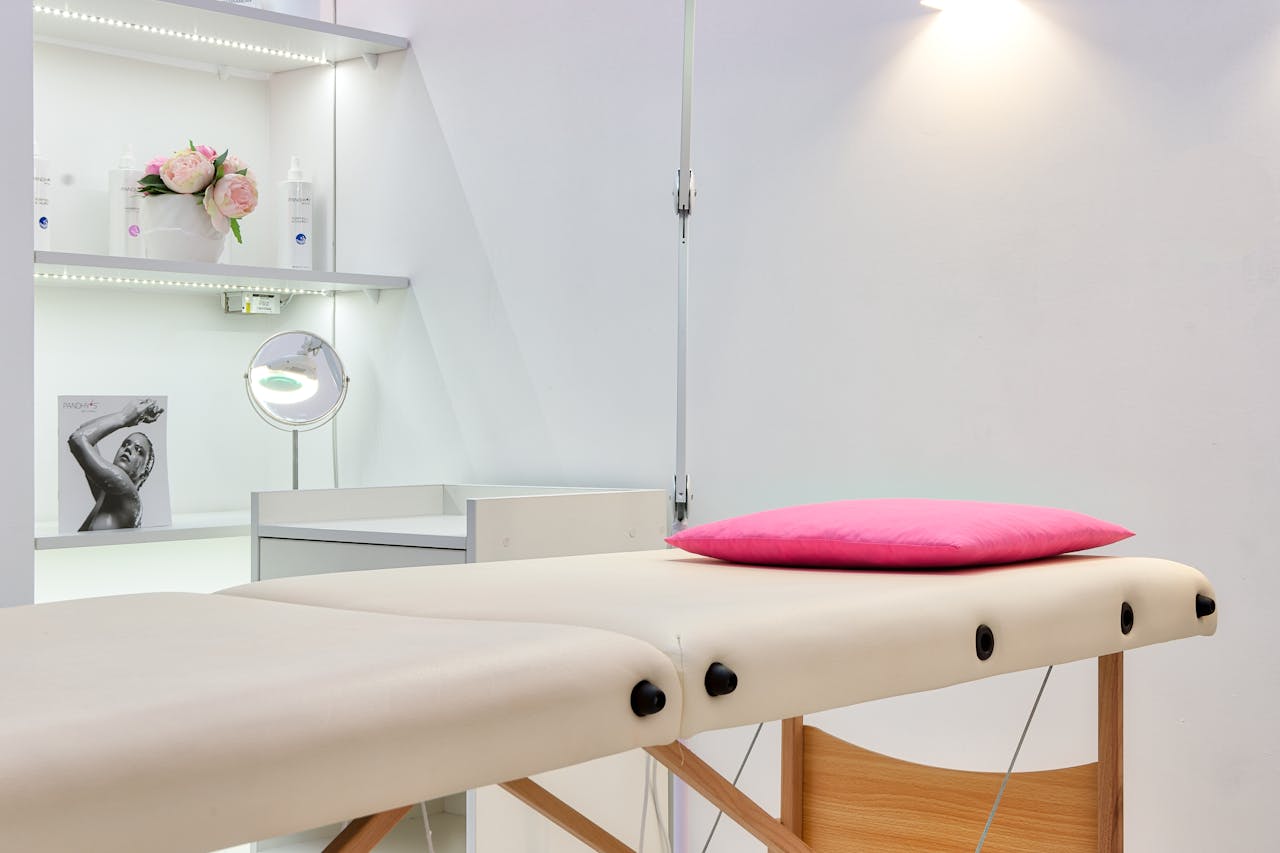
Professional Salon Machines | How to Import Professional Salon Machines with Safety Certificates?
Introduction
Importing professional salon machines with proper safety certificates is one of the most critical yet complex aspects of building a successful beauty equipment business. Without the correct certifications, salon machines can be stopped at customs, seized by regulatory authorities, or worse—create liability issues if equipment fails or causes injury. Understanding how to import professional salon machines with safety certificates is essential knowledge for salon owners, beauty distributors, and equipment resellers who want to build compliant, sustainable import businesses.

The regulatory landscape for salon equipment varies across countries, but the fundamental requirements follow similar principles: electrical safety, electromagnetic compatibility, laser safety (for specific device types), and proper product classification. Importers who invest in understanding and securing proper certifications not only avoid legal and regulatory problems but also differentiate their businesses with customers who increasingly demand certified, safe equipment.
For businesses importing professional salon machines with guaranteed safety certifications and compliance documentation, Ladyww.com provides a direct sourcing channel to manufacturers who meet rigorous international certification standards.
Understanding Safety Certifications for Salon Machines
Why Safety Certifications Matter
Professional salon machines operate in commercial environments where they are used intensively by operators who may not have electrical engineering backgrounds. Safety certifications ensure that equipment has been designed, manufactured, and tested to internationally recognized safety standards, minimizing risks of electrical shock, fire, electromagnetic interference, and other hazards. Certifications also provide legal compliance, market access (uncertified products may be blocked at customs or seized by market surveillance authorities), insurance coverage (certified equipment is typically required for business liability insurance), and customer confidence (certified products demonstrate professionalism and responsibility).
Key Safety Certifications by Market
CE marking (European Union) is mandatory for professional salon machines sold in the European Economic Area. It certifies compliance with applicable EU directives including Low Voltage Directive (2014/35/EU), EMC Directive (2014/30/EU), and RoHS Directive (2011/65/EU). CE marking requires technical documentation, risk analysis, and declaration of conformity.
FCC certification (United States) is mandatory for electronic devices sold in the US, certifying compliance with electromagnetic emissions limits under FCC Part 15. FCC certification requires testing by accredited laboratories.
RoHS compliance restricts hazardous substances (lead, mercury, cadmium, etc.) in electrical and electronic equipment. Required for EU markets and increasingly adopted globally.
FDA registration (United States) is required for professional salon machines that meet the FDA definition of medical devices. Most salon aesthetic equipment that makes therapeutic claims requires FDA establishment registration and may require 510(k) clearance.
UKCA marking (United Kingdom) has replaced CE marking for products sold in Great Britain post-Brexit.
Step 1: Identify Required Certifications for Your Market
Market-Specific Research
Before importing professional salon machines, research the specific certification requirements for your target market. Key questions include:
What is the product classification? Different certification requirements apply based on how the equipment is classified. Aesthetic devices may be classified as medical devices, personal care appliances, or general electrical equipment depending on their intended use claims. Medical device classification triggers more stringent requirements.
What specific standards apply? Different equipment types must comply with different standards. Electrical safety standards (IEC 60335 or IEC 60601 series), EMC standards (EN 55014 or IEC 60601-1-2), laser safety standards (IEC 60825 for laser devices), and environmental standards (RoHS, WEEE, REACH) may all apply.
Who is the responsible party? For CE marking, the manufacturer or their authorized representative in the EU is responsible. For FCC certification, the importer or manufacturer can be responsible. FDA registration requires the manufacturer’s establishment registration, and the importer must be listed.
Certification Checklist by Market
For professional salon machines imported into the United States: FCC Part 15 certification; UL or ETL safety listing (recommended but not mandatory); and FDA establishment registration and device listing (if applicable). For the European Union: CE marking with Declaration of Conformity; RoHS compliance documentation; and Notified Body certification (for medical device classified products). For the United Kingdom: UKCA marking; and UK Responsible Person appointment. For Canada: IC (Industry Canada) certification; and CSA or equivalent safety certification. For Australia: RCM (Regulatory Compliance Mark); and TGA registration (if medical device classified).
Step 2: Verify Manufacturer Certifications
Requesting Certification Documentation
When evaluating professional salon machines suppliers, always request and verify certification documentation. Ask for: copies of current CE certificates from Notified Bodies; FCC test reports from accredited laboratories; ISO 9001 or ISO 13485 quality management certificates; and FDA establishment registration numbers. Verify certification validity by checking certificate numbers against issuing body databases. Check certification scope to ensure it covers the specific products you are importing. Confirm certification expiry dates and ensure certifications are current throughout importation.
Red Flags in Certification Documentation
Be alert to warning signs that certification documentation may be invalid: certificates from unrecognized or unaccredited testing bodies; certificates with incorrect scope (not covering your product category); certificates with different company names than your supplier; expired certificates presented as current; and vague or incomplete test reports.
Step 3: Ensure Compliance Documentation Is Complete
Essential Documentation for Import
Complete compliance documentation for professional salon machines should include: Declaration of Conformity (CE) or Supplier Declaration of Conformity (FCC); test reports from accredited testing laboratories; technical documentation file (design specifications, circuit diagrams, component lists); risk assessment and mitigation documentation; user manuals and instructions for use in your market’s language(s); and labeling and packaging compliance documentation.
Document Verification Process
Verify all compliance documentation by: checking test report dates and laboratory accreditation; confirming product model numbers match documentation; reviewing technical documentation for completeness; and keeping original copies for customs and regulatory inspection.
Step 4: Manage the Import Process
Customs Classification and Declaration
Proper customs classification is essential for importing professional salon machines. Determine the correct HS (Harmonized System) code for your equipment. Beauty and salon equipment typically falls under HS Chapter 85 (electrical machinery) or Chapter 90 (medical instruments). Incorrect classification can result in duty overpayment, customs delays, or penalties.
Customs Broker Engagement
Engage a qualified customs broker experienced with beauty equipment imports. The broker will help: classify products correctly under customs regulations; prepare and submit required documentation; calculate and pay applicable duties and taxes; and navigate any customs holds or inspection requirements.
Import Duties and Taxes
Import duties for professional salon machines vary by country and product classification. Rate ranges include: United States (0-8% depending on HS code); European Union (0-6%); Canada (0-9%); and Australia (0-5%). In addition to duties, VAT or sales tax is charged upon customs clearance. Total import costs beyond product value typically represent 10-30% depending on destination country and product classification.
Step 5: Maintain Compliance After Import
Post-Market Compliance Obligations
Importing professional salon machines with safety certificates is not the end of compliance obligations. Ongoing responsibilities include: maintaining technical documentation for regulatory inspection; reporting serious adverse events to regulatory authorities; updating certifications when products change; maintaining labels and user information in compliance with current regulations; and monitoring regulatory changes that may affect your products.
Recordkeeping Requirements
Maintain comprehensive records for each imported product model: certification files and test reports; import documentation (commercial invoices, packing lists, customs entries); sales and distribution records; and customer complaint and incident records. Records should be retained for the product’s lifecycle plus applicable regulatory retention periods.
Frequently Asked Questions (FAQ)
Q1: What is the difference between CE marking and CE certification?
A: CE marking is the manufacturer’s declaration that a product meets all applicable EU requirements. CE certification typically refers to products requiring Notified Body involvement where a third-party assessment is mandatory. For many professional salon machines, CE marking requires a Declaration of Conformity and technical documentation. Products classified as medical devices require Notified Body certification.
Q2: How do I verify that a manufacturer’s FCC or CE certification is valid?
A: Verify certifications by: checking FCC ID in the FCC’s public database; verifying Notified Body certificate numbers; requesting original test reports from accredited laboratories; confirming certification scope covers your specific product; and periodically re-verifying certification validity.
Q3: Can I import salon machines without certifications and certify them myself?
A: Technically yes, but practically this is complex. Self-certification requires: access to accredited testing laboratories; technical expertise to prepare documentation; potentially significant laboratory testing costs; and ongoing compliance responsibility. For most importers, ensuring the manufacturer provides proper certifications is far more practical.
Q4: What happens if I import salon machines without proper certifications?
A: Consequences of importing professional salon machines without proper certifications include: customs seizure and destruction of non-compliant products; fines and penalties; liability for any injuries or damage caused by uncertified equipment; insurance coverage invalidation; and reputational damage.
Q5: How much does safety certification testing cost?
A: Testing costs for professional salon machines vary: CE compliance testing—$3,000-$10,000 depending on product complexity; FCC testing—$1,500-$5,000; medical device certification (FDA 510(k))—$15,000-$80,000 including testing; and laser safety testing (IEC 60825)—$3,000-$8,000.
Q6: How long does certification testing take?
A: Certification testing timelines for professional salon machines: CE and FCC testing—4-8 weeks; medical device testing—8-16 weeks; FDA 510(k) submission review—90-180 days; and Notified Body CE certification—6-12 months for complex products.
Q7: Do I need different certifications for different salon machine types?
A: Yes, different professional salon machines require different certifications based on: technology type (electrical, laser, ultrasound, RF); power output level (higher power=stricter requirements); intended use (medical vs. general wellness); and market classification (medical device vs. personal care appliance).
Q8: How do I maintain ongoing compliance for my imported salon machines?
A: Maintain ongoing compliance by: staying informed about regulatory changes in your markets; maintaining current certification documents; updating products when regulations change; keeping accurate import and sales records; and establishing internal compliance review processes.
Conclusion
Importing professional salon machines with safety certificates requires systematic attention to regulatory requirements at every stage of the process—from manufacturer evaluation and certification verification through customs clearance and post-market compliance. Importers who invest in understanding and securing proper certifications protect their businesses from legal liability, create competitive advantages through demonstrated professionalism, and build customer trust that supports long-term success.
Tags: Professional Salon Machines, Safety Certificates, Salon Equipment Import, Beauty Equipment Compliance, CE Marking Salon, FCC Salon Equipment, Salon Machine Certification, Beauty Device Import, Professional Aesthetic Equipment, Salon Equipment Regulations, Certified Salon Devices, Import Salon Equipment, Electrical Safety Salon, Beauty Equipment Compliance, Salon Machine Safety