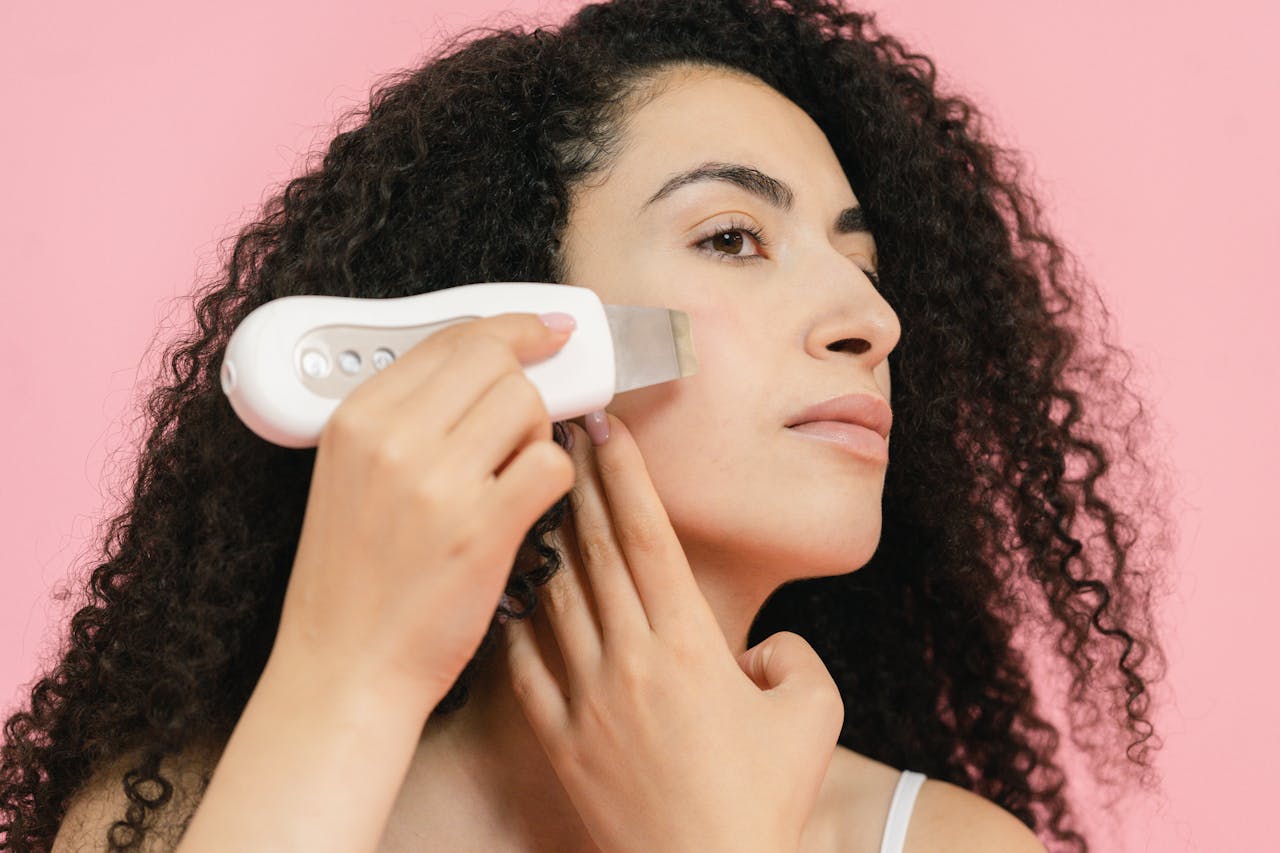
Why Is Beauty Device Product Testing with Real Users Important?
Introduction
Before launching a beauty device to the public, testing with real users provides invaluable insights that lab testing alone cannot reveal. The question of why beauty device product testing with real users is important is because beauty device real user testing reveals how actual customers interact with your product—what they find intuitive, what confuses them, and what they love or dislike. This feedback is essential for creating products that customers will use correctly and consistently.
Beauty device consumer testing complements technical testing by focusing on the human experience of using the product. A device that passes all technical specifications may still fail in the market if users find it difficult to operate, uncomfortable to hold, or confusing to understand.
For beauty device brands incorporating user testing into development, Ladyww.com provides resources and best practices for effective consumer testing programs.
What Real User Testing Reveals
Usability Issues
Beauty device usability testing reveals problems that technical specifications miss. Users may find: buttons difficult to press; displays hard to read; the device uncomfortable to hold for extended periods; or the cleaning process too complicated. These issues only become apparent when real people use the product in real conditions.
Comprehension Gaps
Beauty device instruction clarity is tested through real user feedback. Users may misunderstand: how to turn the device on or off; which mode to select for their needs; how long to use the device; or how to clean and maintain it.
Real-World Performance
Beauty device real-world performance may differ from lab conditions. Battery life may be shorter than specified. Treatment times may be longer. Results may vary from clinical studies.
Types of User Testing
Alpha Testing
Beauty device alpha testing is conducted by internal team members or closely affiliated users. The goal is to identify major issues before wider testing. Alpha testing catches obvious problems and ensures the product is ready for external testing.
Beta Testing
Beauty device beta testing involves real customers using the product in their homes. Beta testers provide feedback on: ease of use and setup; product performance and results; documentation and instructions; and any issues or suggestions.
Focus Groups
Beauty device focus groups bring together potential customers to discuss the product concept, design, or prototype. Focus groups provide qualitative feedback about: first impressions and reactions; purchase intent and willingness to pay; and feature priorities and preferences.
Setting Up a User Testing Program
Recruiting Testers
Beauty device tester recruitment should target: your target customer demographic; users with different skin types and concerns; users with varying technical comfort levels; and users who will provide honest, constructive feedback.
Testing Protocol
Beauty device user testing protocol: provide the product and instructions as customers would receive them; ask testers to use the product for a defined period (2-4 weeks); collect feedback through surveys at set intervals; and follow up with interviews for detailed insights.
Collecting Feedback
Beauty device user feedback collection methods: online surveys with rating scales; open-ended questions for detailed comments; usage logs (for connected devices); and follow-up interviews or focus groups.
Frequently Asked Questions (FAQ)
Q1: How many testers do I need for beauty device user testing?
A: Beauty device user testing typically needs: usability testing—5-10 users per test cycle; beta testing—20-100 users depending on complexity; and focus groups—6-10 users per session.
Q2: How long should beauty device user testing last?
A: Beauty device testing duration should match typical usage patterns: 1-2 weeks for initial impressions and usability; 4-8 weeks for results evaluation; and ongoing for long-term satisfaction.
Q3: How do I find beauty device beta testers?
A: Find beauty device beta testers through: your email subscriber list; social media followers; existing customer base; and beta testing platforms (BetaBound, UserTesting).
Q4: Should I pay user testers?
A: Beauty device tester compensation options: free product (keep the device); gift cards or discounts; cash payment (for professional focus groups); and no compensation (but acknowledge their contribution).
Q5: How do I analyze user testing feedback?
A: Analyze beauty device user feedback by: categorizing comments by theme; identifying recurring issues and suggestions; quantifying severity (critical, major, minor); and prioritizing changes by impact and effort.
Q6: What is the most important thing to learn from user testing?
A: The most important beauty device user testing insight is whether customers can use the product correctly without assistance. If instructions are unclear or the device is not intuitive, adoption and satisfaction will suffer.
Q7: How do user testing results affect product development?
A: Beauty device development impact from user testing can include: design changes (ergonomics, button placement); documentation improvements (clearer instructions); feature modifications (adding or removing features); and packaging changes (easier unboxing).
Q8: Should I test with non-target users?
A: Testing with non-target beauty device users can reveal issues you might not see with your target demographic. However, primary testing should focus on your actual target customers.
Comparison Table: User Testing Types
| Testing Type | Participants | Duration | Cost | Best For |
|---|---|---|---|---|
| Alpha Testing | 5-10 internal | 1-2 weeks | Low | Catching major issues |
| Beta Testing | 20-100 external | 2-8 weeks | Moderate | Real-world validation |
| Focus Groups | 6-10 per session | 1-2 hours | Moderate-High | Concept feedback |
| Usability Testing | 5-10 per session | 1-2 hours | Moderate | Interface optimization |
Conclusion
Beauty device product testing with real users is important because it reveals usability issues, comprehension gaps, and real-world performance that technical testing alone cannot identify. The most effective beauty device user testing programs combine alpha testing (internal, early stage), beta testing (real customers, extended use), and focused feedback collection. User testing insights directly improve product design, instructions, and customer satisfaction. Investing in user testing before launch reduces returns, increases satisfaction, and creates products that customers can use successfully.
Tags: Beauty Device User Testing, Product Testing Real Users, Beauty Device Beta Testing, Beauty Device Usability Testing, Beauty Device Consumer Testing, Beauty Device Product Validation, Beauty Device User Feedback, Beauty Device Testing Program, Beauty Device Development Testing, Beauty Device Customer Testing, Beauty Device Real World Testing, Beauty Device Focus Groups, Beauty Device Beta Testers, Beauty Device Product Improvement, Beauty Device Testing Insights