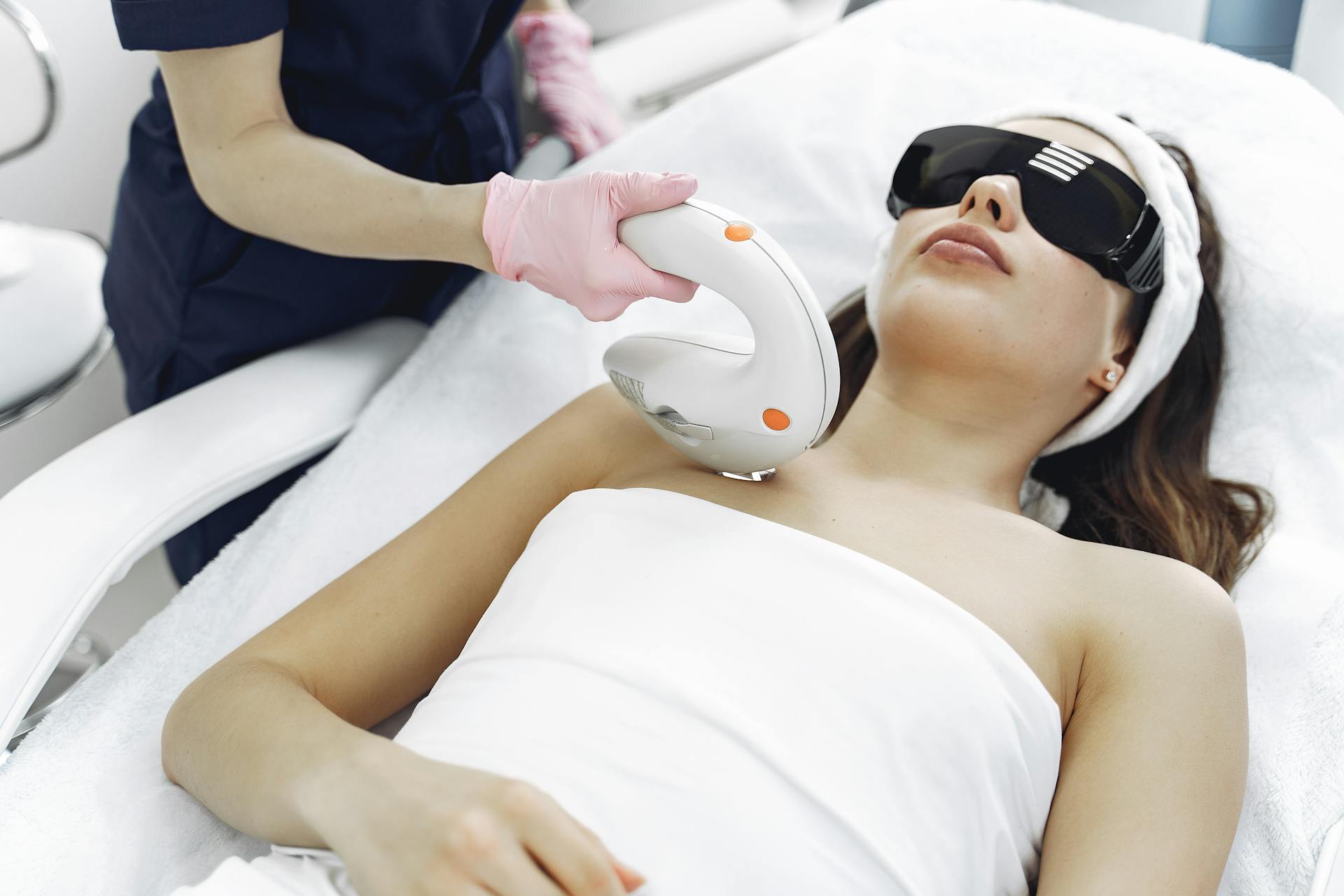
Why Should You Create Beauty Device Tutorial Content for Different Learning Styles?
Introduction
Not all customers learn the same way, and beauty device usage requires learning. The question of why you should create beauty device tutorial content for different learning styles is important because beauty device tutorial formats that match how customers learn increase comprehension, satisfaction, and treatment success. A customer who learns best by watching will struggle with a text-only manual. A reader will be frustrated by a video that moves too slowly.
Beauty device learning styles include visual learners (learn by seeing), auditory learners (learn by hearing), reading/writing learners (learn by reading), and kinesthetic learners (learn by doing). Effective beauty device tutorial programs include content that serves each style.
For beauty device brands developing comprehensive customer education, Ladyww.com provides resources and best practices for multi-format training content.
Understanding Learning Styles
Visual Learners
Visual beauty device learners learn best by seeing. They prefer: video demonstrations showing proper technique; diagrams illustrating device operation; infographics summarizing key steps; and color-coded guides and visual cues.
Auditory Learners
Auditory beauty device learners learn best by hearing. They prefer: narrated video tutorials with clear verbal instructions; audio-only guides or podcasts; verbal explanations of how and why the device works; and opportunities to ask questions and receive verbal answers.
Reading/Writing Learners
Reading/writing beauty device learners learn best by reading and writing. They prefer: written manuals with clear step-by-step instructions; detailed product specifications and explanations; checklists they can mark as they complete steps; and articles or blog posts about proper usage.
Kinesthetic Learners
Kinesthetic beauty device learners learn best by doing. They prefer: hands-on practice with the device; trial and error with guidance; interactive tutorials that progress step by step; and learning by using the device while following instructions.
Creating Multi-Format Tutorial Content
Video Tutorials
Beauty device video tutorials serve visual and auditory learners: product demonstration (showing proper technique); screen recordings (for app or connected device features); and troubleshooting guides (showing how to address common issues). Keep videos concise—2-5 minutes for specific topics.
Written Guides
Beauty device written guides serve reading/writing learners: quick start guide (essential steps to begin using); detailed user manual (complete reference); and troubleshooting FAQ (common issues and solutions).
Checklists and Quick References
Beauty device checklists serve reading/writing and kinesthetic learners: setup checklist (steps to prepare the device); daily use checklist (proper routine); cleaning and maintenance checklist; and troubleshooting checklist.
Interactive Content
Beauty device interactive tutorials serve kinesthetic learners: step-by-step guides that progress as the user completes each step; video + text combinations; and progress tracking and completion badges.
Benefits of Multi-Format Tutorials
Higher Customer Satisfaction
Beauty device multi-format training increases satisfaction because customers can choose the format that works best for them. Customers who find the training easy to understand are more satisfied with their purchase.
Reduced Support Tickets
Beauty device support reduction through comprehensive tutorials. When customers can find answers in their preferred format, they are less likely to contact support. Multi-format tutorials reduce support volume by addressing more learning preferences.
Better Treatment Outcomes
Beauty device results improvement through better training. Customers who learn properly are more likely to use the device correctly and consistently. Correct, consistent use leads to better visible results.
Frequently Asked Questions (FAQ)
Q1: How many tutorial formats do I need for beauty devices?
A: Provide at least 3 beauty device tutorial formats: video (visual/auditory), written guide (reading/writing), and a quick reference card (all learners). Add interactive content as resources allow.
Q2: What is the most important tutorial format for beauty devices?
A: Video is the most important beauty device tutorial format because it serves both visual and auditory learners and can demonstrate proper technique better than any other format. Start with video, then add other formats.
Q3: How do I know which learning style my customers prefer?
A: Determine beauty device customer learning preferences by: analyzing which tutorial formats are most viewed; surveying customers about their preferences; tracking which formats generate fewer support tickets; and testing different formats and measuring results.
Q4: Can the same content be delivered in multiple formats?
A: Yes, repurpose beauty device tutorial content across formats: record a video, then extract the script for a written guide; create a checklist from the key steps; and record an audio version from the video narration.
Q5: How do I make tutorials accessible to non-English speakers?
A: Make beauty device tutorials multilingual by: subtitling or dubbing videos; translating written guides; using visual instructions that minimize language dependence; and providing tutorials in your key markets’ languages.
Q6: How long should beauty device tutorials be?
A: Beauty device tutorial length by format: quick start video—2-3 minutes; detailed how-to video—5-8 minutes; written guide—1-2 pages; and quick reference card—single page, bullet points.
Q7: Where should I host beauty device tutorials?
A: Host beauty device tutorials on: your website (product pages and support section); YouTube (for discoverability and embedding); in-product or app (for connected devices); and email sequences (for post-purchase education).
Q8: How do I measure tutorial effectiveness?
A: Measure beauty device tutorial effectiveness by: view rates and completion rates; reduction in related support tickets; customer satisfaction survey responses; and correlation with lower return rates.
Comparison Table: Tutorial Formats by Learning Style
| Format | Visual | Auditory | Reading | Kinesthetic | Development Cost | Customer Preference |
|---|---|---|---|---|---|---|
| Video | Excellent | Excellent | Poor | Good | High | Very High |
| Written Guide | Moderate | Poor | Excellent | Poor | Moderate | High |
| Quick Reference | Excellent | Poor | Moderate | Good | Low | Very High |
| Interactive | Excellent | Good | Moderate | Excellent | High | High |
| Audio Only | Poor | Excellent | Poor | Poor | Low | Low |
Conclusion
Creating beauty device tutorial content for different learning styles ensures that every customer can learn in the way that works best for them. The most effective beauty device training programs include video tutorials (for visual and auditory learners), written guides (for reading/writing learners), and quick reference cards (for all learners). Multi-format tutorials increase customer satisfaction, reduce support tickets, and improve treatment outcomes. Invest in creating content in at least three formats, and use analytics to understand which formats your customers prefer.
Tags: Beauty Device Tutorial Content, Beauty Device Learning Styles, Beauty Device Training, Beauty Device Customer Education, Beauty Device Video Tutorial, Beauty Device User Guide, Beauty Device Quick Start, Beauty Device Training Materials, Beauty Device Customer Success, Beauty Device How-To, Beauty Device Visual Learning, Beauty Device Multi-Format, Beauty Device Onboarding, Beauty Device Educational Content, Beauty Device Tutorial Formats